
Eating a small amount of unripe noodles usually does not cause serious problems, but may increase the risk of indigestion or bacterial infections. Completely undercooked noodles may contain pathogenic microorganisms or be difficult to digest, and long-term consumption in large quantities may induce gastrointestinal discomfort. The main component of noodles is wheat flour, and the starch molecules that have not been fully gelatinized have a tight structure, making it difficult for human digestive enzymes to effectively break them down. Some people may experience discomfort such as bloating and belching after consuming it, which is related to the fermentation of starch in the colon to produce gas. During the production process, flour may carry microorganisms such as Bacillus cereus. Thoroughly boiling can kill most of the bacteria, but semi cooked noodles may still contain active pathogenic bacteria. Children, the elderly, and those with weaker gastrointestinal function are more likely to experience symptoms of foodborne diseases such as abdominal pain and diarrhea. Industrial production of dry noodles may add modifiers such as azoformamide, which can decompose into harmless components at high temperatures but may remain when not reaching boiling point. Individual individuals with wheat allergies may experience allergic reactions when consuming raw noodles, manifested as skin itching or respiratory discomfort. If the noodles have become moldy or have an unpleasant odor, it is not recommended to consume them even after boiling. High temperature resistant toxins such as aflatoxin may cause liver damage.
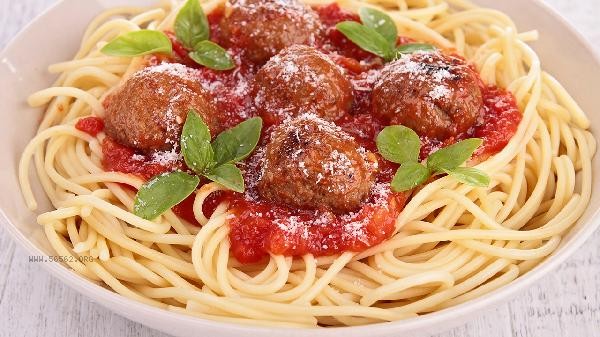
It is recommended to ensure that the water boils before cooking the noodles and continue cooking for a few minutes. If there is no white core on the cross-section of the noodles, it is considered fully cooked. If persistent vomiting or fever occurs after consumption, seek medical attention promptly. You can choose whole grain noodles to increase your dietary fiber intake in daily life, and pair them with vegetables and meat to ensure a balanced nutrition. People with gastrointestinal sensitivity can extend the cooking time appropriately or choose easily digestible fine noodle varieties. Flour products should be stored in a dry environment to prevent the growth of microorganisms.








Comments (0)
Leave a Comment
No comments yet
Be the first to share your thoughts!