
Naka tea comes in both raw and ripe varieties, and the specific choice depends on individual physique and taste preferences. Raw tea has a cold nature and is suitable for clearing heat and relieving summer heat, while ripe tea has a warm nature and is suitable for nourishing the stomach and warming the body.
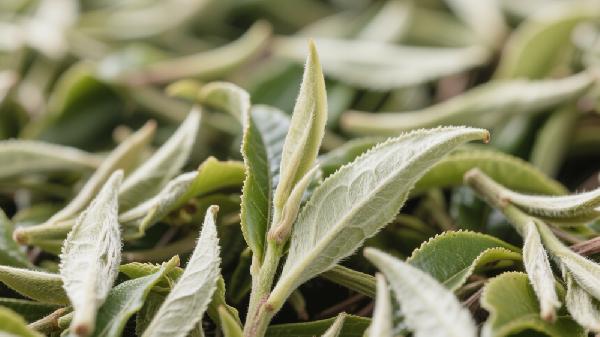
Raw tea refers to tea leaves that have not been artificially fermented, retaining the natural ingredients and active substances of tea leaves. The tea soup has a light color, a refreshing taste with a certain astringency, and is suitable for drinking in summer or for people with a hot constitution. Naka raw tea has the effects of refreshing the mind, helping digestion, and promoting metabolism, but people with weak gastrointestinal function should drink it in moderation to avoid stimulating the gastrointestinal mucosa. Mature tea undergoes artificial fermentation treatment, resulting in mild tea properties, deep red tea soup color, and a mellow and smooth taste. It is suitable for drinking in winter or for people with cold constitutions. That ripe tea can help warm the stomach, drive away cold, promote blood circulation, and improve the balance of gut microbiota, but people with heavy dampness and heat in the body should not drink it excessively.
When choosing Naka tea, it can be adjusted according to seasonal changes. In summer, you can drink more raw tea to cool down, and in winter, you can drink more ripe tea to warm up. It is recommended to control the concentration and amount of daily consumption, avoid drinking tea on an empty stomach, and pay attention to observing physical reactions. If there is any discomfort, adjust it in a timely manner. Long term storage of raw tea will naturally age and gradually approach the taste of ripe tea, but attention should be paid to a dry and ventilated storage environment.








Comments (0)
Leave a Comment
No comments yet
Be the first to share your thoughts!