
Tea yeast may help with weight loss, but its effectiveness varies from person to person and is not recommended as a single weight loss method. Tea yeast mainly contains B vitamins, minerals, and a small amount of tea polyphenols, which may affect body weight through mechanisms such as promoting metabolism and regulating gut microbiota. However, there is a lack of high-quality clinical evidence to support its significant weight loss effect. The B vitamins in tea yeast can participate in carbohydrate and fat metabolism, helping to maintain normal energy conversion processes and theoretically have a slight increase in metabolic rate. Some studies have shown that it may reduce fat absorption efficiency by regulating the balance of gut microbiota. However, existing experiments are mostly based on animal models or small sample populations, and a clear dose-response relationship has not yet been formed. There are significant differences in the composition of commercially available tea yeast products, and some may contain other excretion promoting ingredients. Short term weight loss may be due to water loss rather than fat consumption.
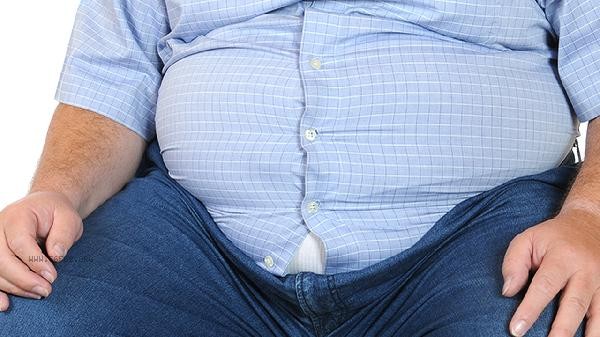
Be cautious that some tea yeast products may exaggerate their promotional effects or illegally add prohibited ingredients such as sibutramine. Excessive intake may lead to adverse reactions such as gastrointestinal discomfort and diarrhea. Pregnant women, lactating women, and patients with digestive system diseases should avoid using it. Weight management should prioritize the combination of dietary adjustments and exercise, and clinical obese patients should develop personalized plans under the guidance of doctors.
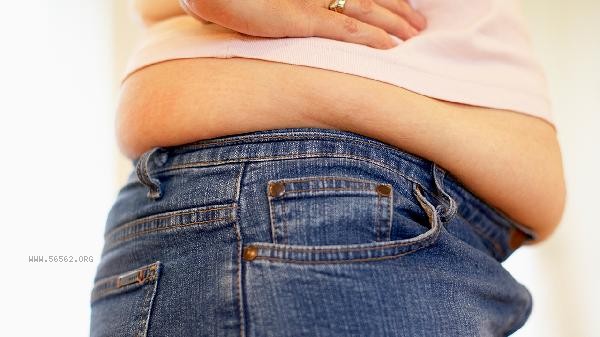
It is recommended to control daily calorie intake through a balanced diet, increase the ratio of whole grains to vegetables and fruits, and combine it with 150 minutes of moderate intensity exercise per week. If you need to use tea yeast products, you should choose regular channels to purchase and check the health food approval documents, and avoid taking them together with hypoglycemic or anticoagulant drugs. Regularly monitor changes in body fat percentage and waist circumference. If discomfort such as palpitations and dizziness occurs, discontinue use and seek medical attention promptly.









Comments (0)
Leave a Comment
No comments yet
Be the first to share your thoughts!