
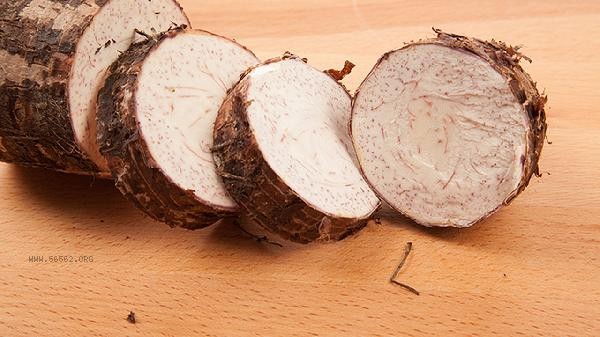
Taro is both a coarse grain and a carbohydrate food, mainly containing nutrients such as starch, dietary fiber, vitamin C, and potassium. The classification of taro mainly includes food attributes, nutritional composition, digestive characteristics, glycemic index, and dietary recommendations.

1. Food attributes
Taro belongs to the taro crop family and is classified as a member of the Araceae family in botany. From the perspective of food processing, unrefined taro can be classified as coarse grain because it retains its intact outer skin and fiber structure. China's dietary guidelines include taro, sweet potatoes, yams, and other grains in the category of miscellaneous grains, and suggest diversifying their choices as staple foods.
2. Nutritional Composition
Taro contains about 18 grams of carbohydrates per 100 grams, of which starch accounts for more than 15 grams, making it a typical high carbon water food. At the same time, it contains 2.2 grams of dietary fiber, which is 10% of the daily recommended amount and meets the fiber content characteristics of coarse grains. The ratio of carbon water to fiber is between refined grains and whole grains.
3. Digestive Characteristics
The starch in taro is mainly resistant starch, which needs to be digested for a long time to be converted into glucose, similar to most coarse grains. The mucin protein contained can protect the gastrointestinal mucosa, but excessive consumption may cause bloating, and those with weak digestive function need to control their intake.
4. glycemic index
The glycemic index of cooked taro is 58, which belongs to low to medium glycemic index foods. Its slow release carbon water characteristics are similar to oats, brown rice and other coarse grains, and it is suitable for diabetes patients to replace some milled rice and white flour. However, it is important to pay attention to the cooking method, as steaming is more effective in maintaining low sugar content than frying.
5. Eating Suggestions
It is recommended to use taro as a partial staple food substitute, 3-4 times a week, with 100-150 grams per time. Can be paired with protein foods to enhance nutritional value, such as stewed chicken with taro or braised pork ribs with taro. People with gastrointestinal sensitivity should peel and cook before consuming in small amounts. Taro combines the dual properties of coarse grains and carbohydrates, making it a suitable component of a balanced diet. Attention should be paid to controlling the total amount when consuming to avoid excessive intake of carbohydrates leading to excess energy. It is recommended to use low-temperature cooking methods such as steaming and boiling, combined with sufficient vegetables and high-quality protein, which can not only leverage its dietary fiber advantages but also balance nutrient intake. Special groups such as diabetes patients should eat rationally under the guidance of nutritionists.









Comments (0)
Leave a Comment
No comments yet
Be the first to share your thoughts!