
Skimmed milk is suitable for people who need to strictly control their fat intake, while low-fat high calcium milk is more suitable for people who need to balance calcium supplementation and fat control. Defatted milk reduces calories by removing all fat, containing only 0.1 grams of fat per 100 milliliters, making it suitable for groups with high blood lipids, weight loss, and strict fat restriction. Its protein content is equivalent to that of whole milk, but fat soluble vitamins A and D are partially lost due to the defatting process. Low fat and high calcium milk retains 1% -1.5% fat, while controlling calories and strengthening calcium addition. The calcium content per 100 milliliters can reach 1.5 times that of ordinary milk, which is more advantageous for preventing osteoporosis and adolescent bone development, and retains more milk fat flavor.
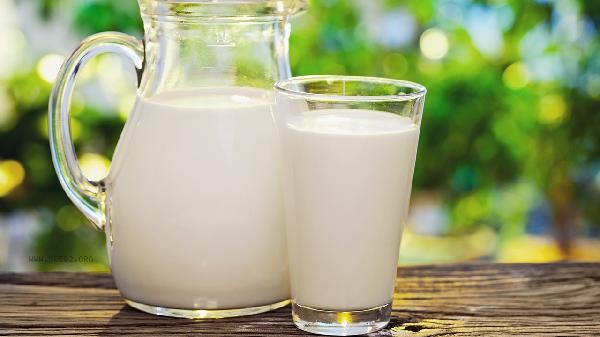
Both types of milk have their own emphasis on nutritional deficiencies. Skimmed milk, which completely removes fat, may affect satiety and absorption of fat soluble nutrients. Long term consumption alone should be accompanied by nuts or vegetable oils. Although low-fat and high calcium milk has a high calcium content, the absorption rate of calcium carbonate added to some products is lower than that of natural milk calcium. Additionally, fortified calcium may affect the absorption efficiency of minerals such as iron and zinc, and should not be consumed with high iron foods. When selecting for special populations, skim milk can be chosen during the postoperative recovery period to reduce digestive burden, and low-fat and high calcium milk is more suitable for pregnant and lactating women to meet their incremental needs.

When choosing, it is necessary to consider one's own health condition and goals. For daily consumption, you can choose between two types of products. When cooking, skim milk is more suitable for making low calorie sauces, while low-fat, high calcium milk is more suitable for pairing with cereal breakfast. Lactose intolerant individuals can choose the corresponding type of lactose free formula, while also paying attention to promoting calcium absorption through sun exposure and supplementing with vitamin D. It is recommended to adjust according to the physical examination data. If the blood lipids are high, the proportion of skim milk can be increased. If the bone density is low, low-fat and high calcium milk should be prioritized.









Comments (0)
Leave a Comment
No comments yet
Be the first to share your thoughts!