
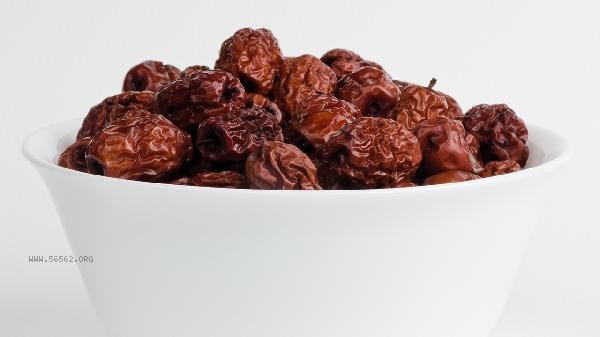
The softness and hardness of red dates are related to the variety, maturity, and processing method. Each has its own advantages, and the selection should be based on specific needs. Soft dates are easier to digest and have a higher sweetness, while hard dates are resistant to storage and retain more complete nutritional components. Soft red dates are usually fully matured or processed, with dense flesh and high sugar content, suitable for direct consumption or making desserts. These types of red dates are more prone to damage in their cell wall structure during the cooking process, and the released polysaccharides help promote gastrointestinal absorption, making them more friendly to people with weaker digestive functions. Soft jujube is often used as a nourishing ingredient in traditional Chinese medicine, and its iron element and cyclic adenosine monophosphate components have higher bioavailability in a slow-release state. Hard red dates are mostly naturally dried or harvested before they are fully ripe. The skin is tough and dries quickly, which can better lock in vitamin C and dietary fiber. Its storage resistance is suitable for long-term preservation, and it can slowly release effective ingredients when stewed in soup or used in medicine. The antioxidant substances such as rutin and polyphenols in jujube have stronger stability when the cell structure is intact, which may be more suitable for people who need to control blood sugar fluctuations. Some varieties of hard dates can still restore their soft texture after appropriate soaking.
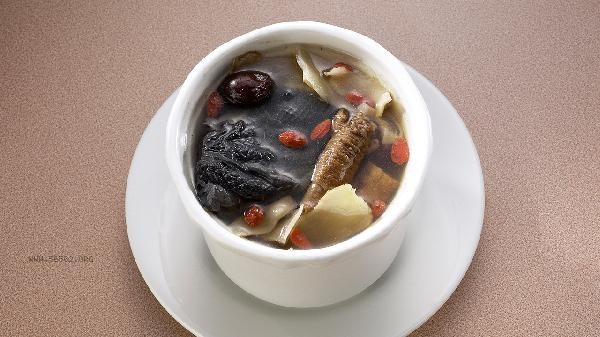
When choosing red dates, it is recommended to combine the consumption scenario with personal needs. Soft dates are suitable for immediate use or when quick nourishment is needed, while hard dates are more suitable for long-term storage or slow cooking. No matter how soft or hard it is, it is better to control the daily consumption of 10-15 pills, and diabetes patients should reduce the amount as appropriate. When making a purchase, pay attention to observing that the jujube body is intact and free of insect damage. Soft jujube should avoid choosing excessively sticky ones, while hard jujube should be checked for mold. Soft dates should be refrigerated and sealed during storage, while hard dates should be placed in a cool and ventilated place.








Comments (0)
Leave a Comment
No comments yet
Be the first to share your thoughts!