
Pu erh tea has its own advantages in raw and ripe Pu erh tea. Raw Pu erh tea is suitable for people who pursue aged aroma and active substances, while ripe Pu erh tea is more suitable for drinkers who pay attention to mild and nourishing the stomach.
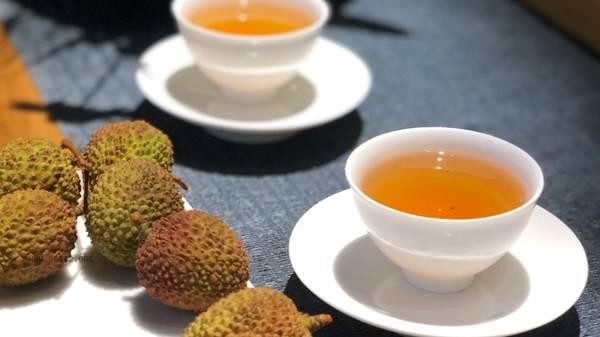
Shengpu adopts natural fermentation technology, with a cool and stimulating tea nature, rich in active ingredients such as tea polyphenols and catechins, which help with antioxidant and metabolic regulation. The newly made raw Pu has a strong taste, with a grassy aroma and astringency. After years of storage, it gradually transforms into a rich and aged aroma. Suitable for people with a hot constitution and a need to lose weight, but drinking on an empty stomach may cause gastrointestinal discomfort.
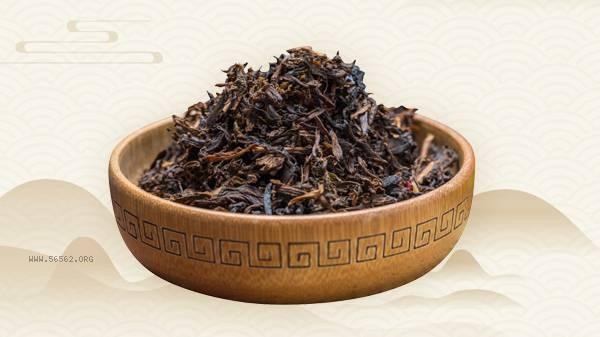
After artificial pile fermentation, ripe Pu tea has a mild and mellow nature, and is transformed by microorganisms to produce a large amount of theaflavins and probiotics. Smooth and sweet in taste, with a woody or jujube aroma, it has a protective effect on the gastrointestinal mucosa. Suitable for daily consumption by middle-aged and elderly people, those with cold bodies, and those with weak digestive function. The caffeine content of ripe Pu is relatively low and does not affect sleep quality, but the Wodui process may lose some vitamins.
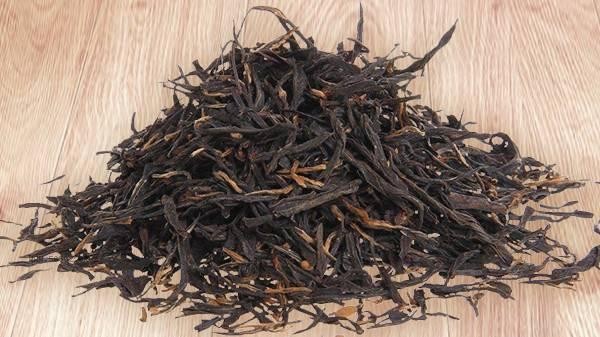
When choosing Pu erh tea, it is necessary to consider one's own physical condition and needs. It is recommended to drink raw Pu erh tea after meals and control its concentration. Mature Pu erh tea can be consumed in moderation throughout the day. When storing raw tea, it is necessary to ventilate and avoid light. For ripe tea, attention should be paid to moisture and odor prevention. Both types of tea should not be taken together with medication. People with special health conditions can consult a doctor before drinking.








Comments (0)
Leave a Comment
No comments yet
Be the first to share your thoughts!