
Pu erh raw tea and ripe tea each have their own advantages. Raw tea is more suitable for people who pursue aging potential and fresh taste, while ripe tea is more suitable for people who pay attention to gentle stomach nourishment and instant drinking.
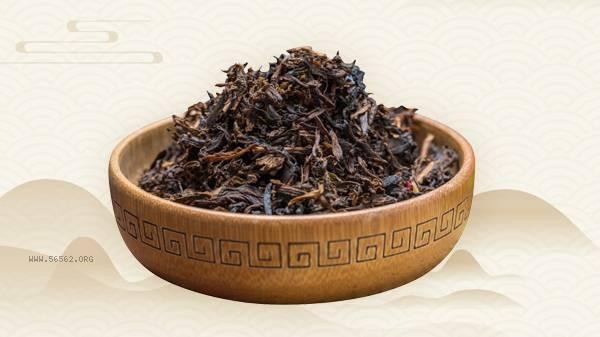
Raw tea has not undergone pile fermentation, retaining more active substances. Its cold and stimulating nature makes it suitable for long-term storage and transformation. The newly made Pu Cha Tang is yellow green in color, with a distinct floral and fruity aroma and a slight astringency. As it ages, it gradually transforms into a rich woody aroma. Raw tea has a high content of tea polyphenols, which have antioxidant effects, but drinking on an empty stomach may stimulate the gastrointestinal tract. Mature tea undergoes artificial pile fermentation, with a mild and mellow nature, a bright red color, and a unique aroma of aged and glutinous rice. During the fermentation process of ripe tea, a large number of beneficial bacteria are produced, which are helpful in regulating the gut microbiota and suitable for daily consumption. Mature tea has a lower caffeine content and has a smaller impact on sleep, but some newly brewed mature tea may have a lingering taste.
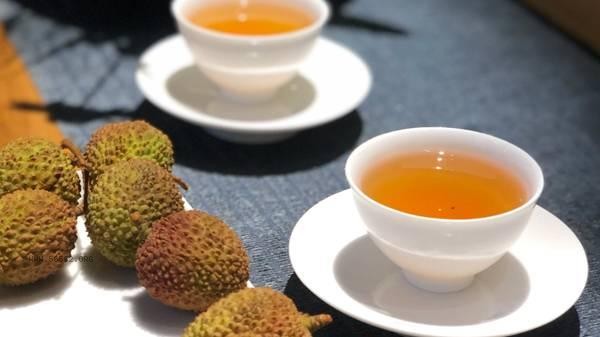
Raw tea needs to be kept ventilated and dry during storage, avoiding odors and direct sunlight. The ideal storage temperature is between 20-25 degrees Celsius. Due to the completion of fermentation, ripe tea has relatively low requirements for storage environment, but it also needs to be moisture-proof and odor proof. Raw tea is suitable for light refreshments such as osmanthus cake and Bean paste cake, while cooked tea is suitable for fatty foods such as moon cakes and cheese. When brewing raw tea, it is recommended to use a water temperature of 90-95 degrees Celsius to quickly extract the soup, while for ripe tea, boiling water can be used for appropriate steeping. Both types of Pu erh tea should not be consumed in excess, and it is recommended to limit it to 10-15 grams per day.
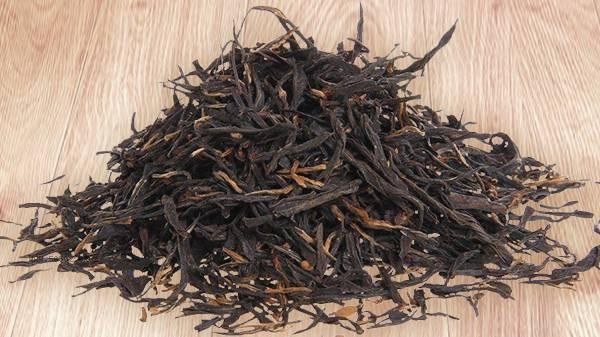
It is recommended to choose Pu erh tea based on one's own constitution and needs. For those with a hot constitution, they can choose aged Pu erh tea, while those with gastrointestinal sensitivity should choose ripe Pu erh tea. Both raw and ripe tea should be selected from reputable manufacturers, and storage conditions should be taken into account to avoid mold growth. When drinking, it is necessary to have a reasonable diet and daily routine in order to better utilize the health benefits of Pu'er tea. Long term consumption can be combined with moderate exercise to promote metabolism and absorption of tea nutrients.








Comments (0)
Leave a Comment
No comments yet
Be the first to share your thoughts!