
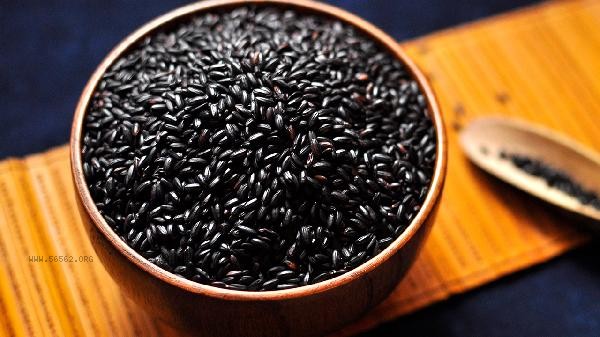
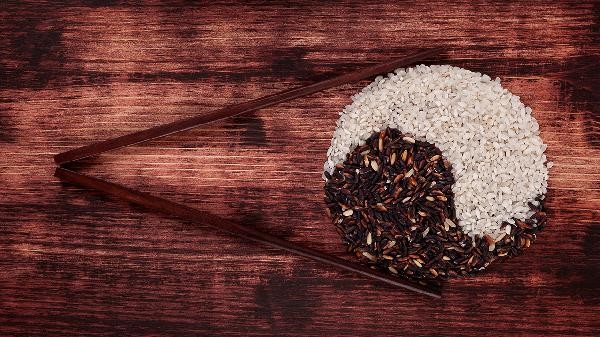
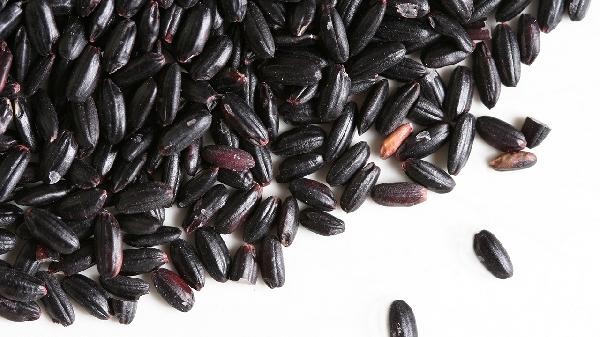
Purple rice and black rice are both coarse grains, rich in dietary fiber, B vitamins, minerals and other nutrients. Coarse grains mainly include whole grains, miscellaneous beans, potatoes and other unprocessed grains. Purple rice and black rice, as a type of whole grain, retain the germ, endosperm and bran of the grain, and have high nutritional value. Purple rice and black rice have similarities in nutritional composition, both containing a high amount of dietary fiber, which helps promote gastrointestinal peristalsis and facilitate the normal functioning of digestion and absorption. Purple rice contains abundant anthocyanins, which have antioxidant properties and can help eliminate free radicals in the body, delaying cell aging. Black rice contains a high amount of iron, which can help improve iron deficiency anemia. It also contains trace elements such as zinc and selenium, which can help enhance immunity. The taste of the two types of rice is relatively rough and requires a longer soaking and cooking time to achieve a better edible effect. Although purple rice and black rice are nutritious, they are not suitable for all populations. Overconsumption by people with weak gastrointestinal function may cause bloating or indigestion. It is recommended to pair fine grains appropriately when consuming to avoid excessive intake at once. Patients with diabetes can take appropriate amount of food, but attention should be paid to controlling the total amount to avoid excessive fluctuation of blood sugar. Purple rice and black rice are best soaked in advance and cooked until soft and tender to reduce irritation to the gastrointestinal tract. Purple rice and black rice, as coarse grains, are suitable for moderate addition in daily diet and can help supplement dietary fiber and various vitamins. It is recommended to consume 2-3 times a week, with a small bowl each time, paired with vegetables, high-quality protein and other foods to ensure a balanced nutrition. People with gastrointestinal sensitivity can try to cook purple rice or black rice into Congee, which is easier to digest and absorb. Long term adherence to moderate intake of coarse grains can help maintain intestinal health and reduce the probability of chronic diseases.








Comments (0)
Leave a Comment
No comments yet
Be the first to share your thoughts!