
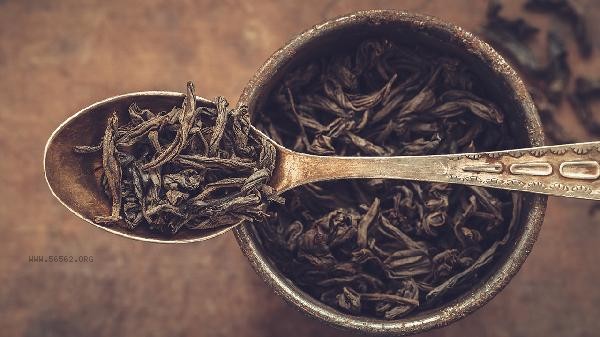
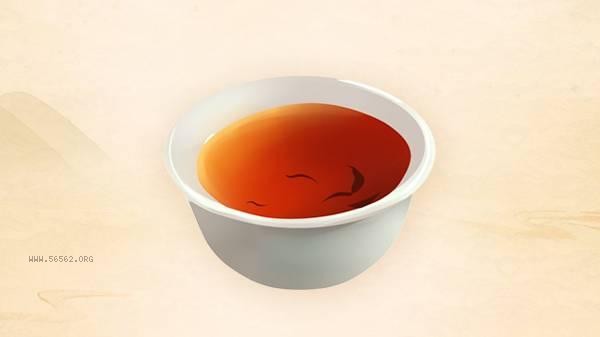
Oolong tea does not belong to black tea, and the two are different categories among the six major types of tea. Oolong tea belongs to semi fermented tea, while black tea belongs to fully fermented tea, mainly with differences in fermentation degree, processing technology, flavor characteristics, etc. There is a fundamental difference in the degree of fermentation between oolong tea and black tea. The fermentation degree of oolong tea is between that of green tea and black tea, usually ranging from 30% to 70%. The edges of the tea leaves exhibit red edges and green centers due to collision oxidation. Black tea undergoes sufficient fermentation, with a degree of oxidation of tea polyphenols exceeding 80%, and the leaves turn completely red. In terms of processing technology, oolong tea requires unique processes such as sun drying, air drying, and shaking to promote partial fermentation, while black tea achieves full fermentation through withering, rolling, fermentation, and drying. In terms of flavor, oolong tea combines the fragrance of green tea with the richness of black tea, with rich layers of floral and fruity aromas. Black tea, on the other hand, is mainly characterized by its sweet and mellow aroma and honey fragrance. There are also differences between oolong tea and black tea in terms of core production areas and varieties. Oolong tea is mainly produced in Fujian, Guangdong, Taiwan and other places. Representative varieties include Tie Guan Yin, Da Hong Pao, Phoenix Dancong, etc. Tea trees are mostly shrub type mid leaf varieties. The core production areas of black tea include Fujian, Yunnan, Anhui and other regions, with representative varieties such as Zhengshan Xiaozhong, Dianhong, Qihong, etc. Tea trees include shrub type and small tree type. From a health perspective, oolong tea has advantages in regulating blood lipids and antioxidation due to its retention of more tea polyphenols and theanine. Black tea, with its high content of theaflavins, has less gastrointestinal irritation and is more conducive to warming the stomach.
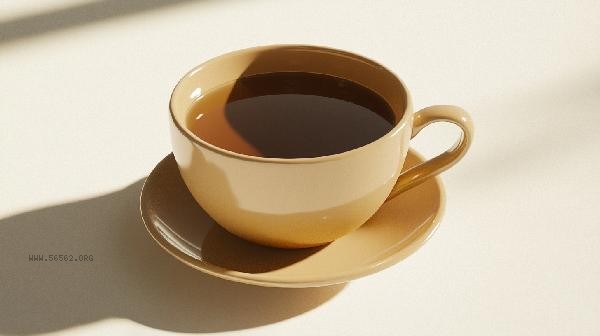
Tea can be selected for daily consumption according to physical condition and season. Black tea is suitable for those with a cold stomach, while oolong tea can be consumed more for those with a dry and hot constitution. Regardless of which type of tea is chosen, it is recommended to avoid drinking on an empty stomach, control daily intake within a reasonable range, and pay attention to the control of water temperature and time during brewing to fully release the beneficial components of tea leaves.








Comments (0)
Leave a Comment
No comments yet
Be the first to share your thoughts!