
Hip liposuction for weight loss can improve local fat accumulation, but the effect needs to be evaluated comprehensively based on personal constitution and postoperative care. Liposuction surgery is mainly suitable for patients with stubborn subcutaneous fat accumulation and ineffective diet and exercise. Short term reactions such as swelling, bruising, and uneven skin may occur after surgery, and long-term effects are related to the non renewable nature of fat cells.
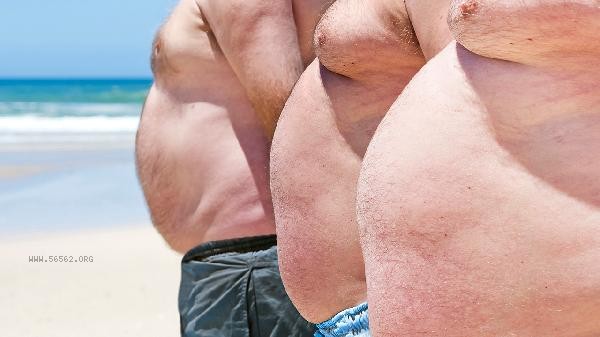
Hip liposuction removes excess fat cells through negative pressure suction, which can quickly improve the hip to leg ratio in the short term. The surgery needs to be performed by professional doctors in formal medical institutions, using swelling anesthesia techniques to reduce the risk of bleeding. After surgery, it is necessary to wear shapewear for 3-6 months to help the skin retract, and combined with lymphatic massage can reduce edema. However, liposuction cannot replace weight loss, and it is still necessary to maintain a balanced diet and regular exercise after surgery to maintain its effectiveness. Excessive liposuction may cause skin sagging, unevenness, or abnormal sensation, with a single suction volume typically not exceeding 5000 milliliters.
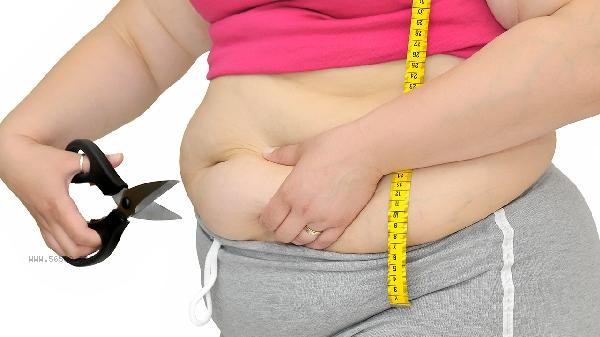
Patients with coagulation dysfunction, uncontrolled diabetes or poor skin elasticity are not suitable for surgery. Temporary numbness and bruising may occur in the early postoperative period, and vigorous exercise and prolonged sitting and lying pressure should be avoided. In rare cases, serious complications such as fat embolism, infection, or deep vein thrombosis may occur and require immediate medical treatment. After liposuction, the number of fat cells permanently decreases, but the remaining fat cells may still increase in volume. It is necessary to establish healthy lifestyle habits to prevent weight gain.
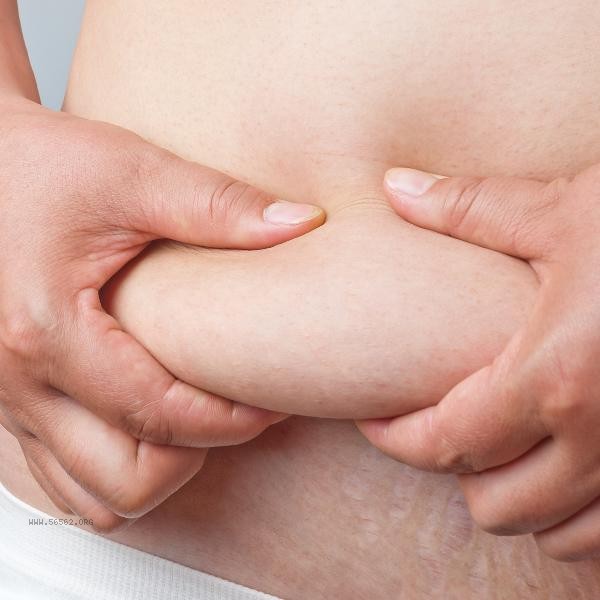
It is recommended to undergo a comprehensive physical examination before surgery to evaluate surgical tolerance and choose an experienced plastic surgeon to perform the operation. Follow the doctor's advice for wound care after surgery, supplement high-quality protein and vitamin C to promote tissue repair, and avoid high sugar and high-fat diets. Non invasive methods such as radiofrequency or ultrasound lipolysis can be used to assist in shaping, and regular follow-up can be conducted to ensure normal recovery process. Liposuction is a medical practice and should not be pursued solely for quick weight loss while ignoring potential risks.








Comments (0)
Leave a Comment
No comments yet
Be the first to share your thoughts!