
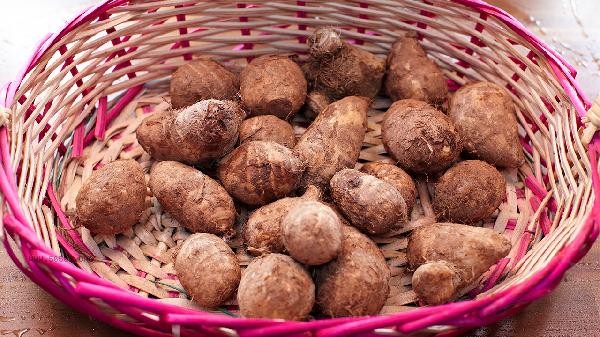
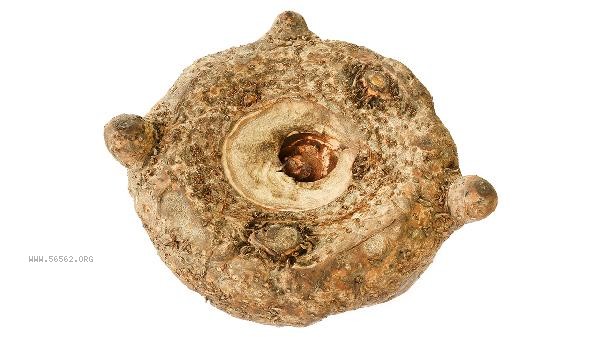
The fat content of konjac is extremely low, usually less than 0.1 grams per 100 grams of konjac. The main component of konjac is glucomannan, which belongs to soluble dietary fiber and has the characteristics of low fat, low calorie, and high satiety. The fat content of konjac is almost negligible, and its calories mainly come from dietary fiber in carbohydrates. Konjac flour removes most of its moisture and other trace components during processing, resulting in a negligible proportion of fat in the final product. Konjac products such as konjac silk and konjac tofu have extremely low fat content even without the addition of oil during the production process. Konjac has a dietary fiber content of over 70%, which is almost not absorbed in the human body but can increase intestinal peristalsis. Some processed konjac foods may increase a small amount of fat due to the addition of seasonings or different cooking methods, such as spicy konjac or fried konjac snacks. But these fats do not come from konjac itself, but from additional ingredients introduced during later processing. Commercial snacks such as konjac snacks may contain vegetable oil or other fat additives, and the specific ingredients need to be confirmed through food labels. Traditional konjac products such as konjac knots and konjac chunks still maintain extremely low levels of fat content in clear soup or cold dishes. Konjac is an ideal low-fat and healthy ingredient, suitable for weight loss and high blood pressure patients. It is recommended to choose unprocessed konjac products and avoid high oil and high salt cooking methods. They can be paired with vegetables and fruits to make cold dishes or clear soup hot pot. The glucomannan in konjac swells when it comes into contact with water. When consuming, it is necessary to chew it thoroughly and drink plenty of water. For those with weak gastrointestinal function, single intake should be controlled.








Comments (0)
Leave a Comment
No comments yet
Be the first to share your thoughts!