
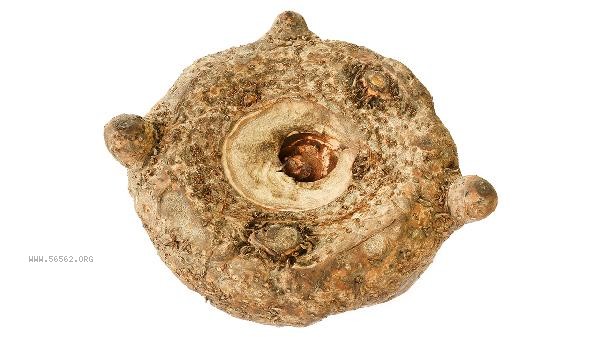
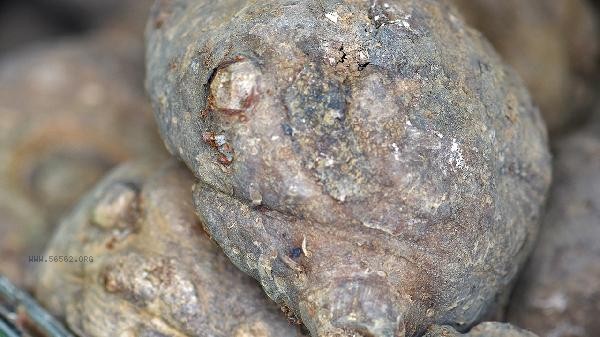
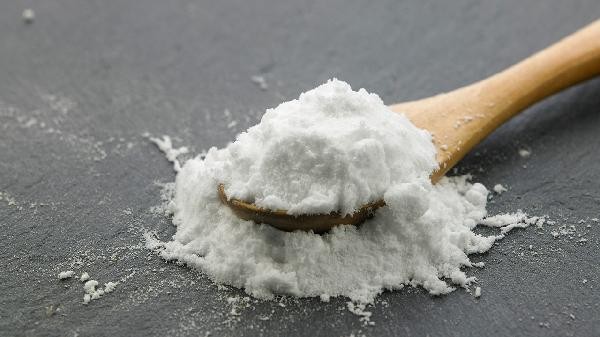
The slight fishy smell of konjac flour is a normal phenomenon, mainly related to processing technology and raw material characteristics. The odor of konjac flour may come from factors such as decomposition products of konjac glucomannan, residual processing water, or improper storage. During the processing of konjac flour, volatile substances such as trimethylamine are released, which are similar to the fishy odor of seafood. The konjac flour produced by traditional techniques may retain a slight fishy smell due to incomplete removal of these components. Products that use modern deodorization technology usually have a lighter odor, so please pay attention to the deodorization process indicated on the packaging when purchasing. In rare cases, a strong fishy smell may indicate quality issues. A humid storage environment can cause microbial growth and produce odors, and exposure to air after packaging damage may also accelerate oxidation and deterioration. If accompanied by blackening or clumping of color, it is recommended to stop consuming. For those who are sensitive to fishy smell, freeze-dried konjac flour can be chosen, which has been subjected to low-temperature dehydration treatment and has a lighter odor. Soaking in warm water for 10 minutes before consumption can help reduce odors, and pairing with acidic seasonings such as lemon juice and vinegar can also neutralize odors. Konjac flour is rich in dietary fiber and low in calories. Reasonable consumption can help with gastrointestinal health, but those with weak gastrointestinal function should control their intake to avoid bloating. Choose products from reputable manufacturers and store them in a dry and dark place to maximize quality.








Comments (0)
Leave a Comment
No comments yet
Be the first to share your thoughts!