
Moderate consumption of oolong tea by women every day has certain benefits for the body, but the amount should be adjusted according to individual constitution. Oolong tea contains tea polyphenols, caffeine, amino acids and other components, which have the effects of refreshing the mind, promoting digestion, and assisting metabolism. The tea polyphenols in oolong tea have antioxidant properties, which help to eliminate free radicals in the body and delay skin aging. Caffeine can stimulate the central nervous system, improve attention and work efficiency. Theanine can help alleviate anxiety and improve sleep quality. For women with normal gastrointestinal function, drinking 2-3 cups of light tea daily can promote gastric juice secretion and help digest greasy foods. The catechins in oolong tea can also assist in regulating blood lipids and have potential benefits for cardiovascular health. Some women may experience discomfort when drinking oolong tea. Excessive consumption by individuals with a cold constitution may worsen symptoms such as cold hands and feet, and menstrual abdominal pain. Drinking tea on an empty stomach can easily stimulate the gastric mucosa and induce discomfort in the stomach. Pregnant women should control their caffeine intake and not exceed 1 cup of light tea per day. Long term excessive consumption may affect iron absorption, and people with anemia need to pay special attention. Menopausal women drinking tea at night may exacerbate symptoms such as hot flashes and insomnia.
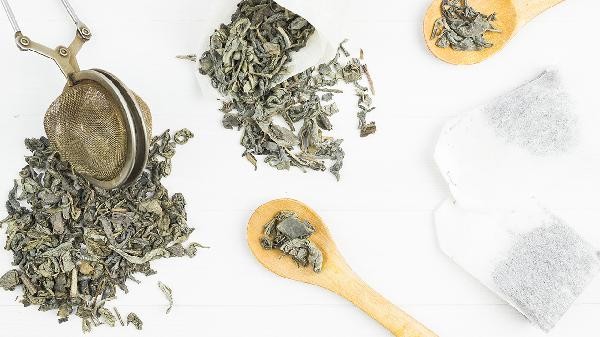
It is recommended that women adjust the amount of oolong tea drinks according to their own situation, avoid drinking on an empty stomach, and reduce consumption appropriately during menstruation and pregnancy. It can be paired with isothermal ingredients such as red dates and goji berries to blend with tea properties. If you experience symptoms such as palpitations and insomnia after drinking, you should reduce your intake in a timely manner. Maintain a balanced diet and avoid using tea as a substitute for daily drinking water. People with special constitutions can consult a traditional Chinese medicine practitioner for advice before drinking.








Comments (0)
Leave a Comment
No comments yet
Be the first to share your thoughts!