
The choice between spicy and non spicy green radish depends on individual constitution and needs. Spicy green radish is more suitable for promoting digestion, while non spicy green radish is more suitable for people with gastrointestinal sensitivity. The spiciness of green radish mainly comes from glucosinolates, which are converted into isothiocyanates during chewing and have the effect of stimulating saliva and gastric juice secretion. For people with weak digestive function or loss of appetite, moderate consumption of spicy green radish can help improve gastrointestinal motility, and its spicy ingredients also help promote blood circulation. However, it should be noted that fasting may irritate the gastric mucosa, and it is recommended to consume it in combination with staple food. Spicy varieties usually contain higher concentrations of vitamin C and antioxidants, which can better maintain a crisp and refreshing taste during the pickling process.
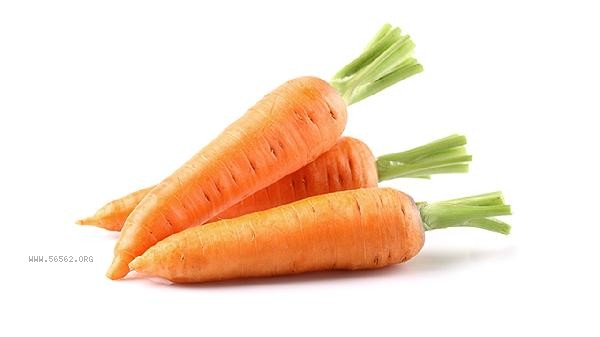
Non spicy green radish has relatively high starch and soluble dietary fiber content, making it more suitable for consumption by the elderly, children, or patients with chronic gastritis. This type of variety retains more intact carotenoids and potassium elements, which have a positive effect on blood pressure regulation and vision protection. When cooking, the cell wall is not easily broken, making it suitable for stewing soup or making fillings, which can fully release the sweet flavor. Some varieties, such as Shawo radish, can contain twice as much sugar as the spicy varieties, but the difference in calories is not significant, and patients with diabetes can still eat moderately.
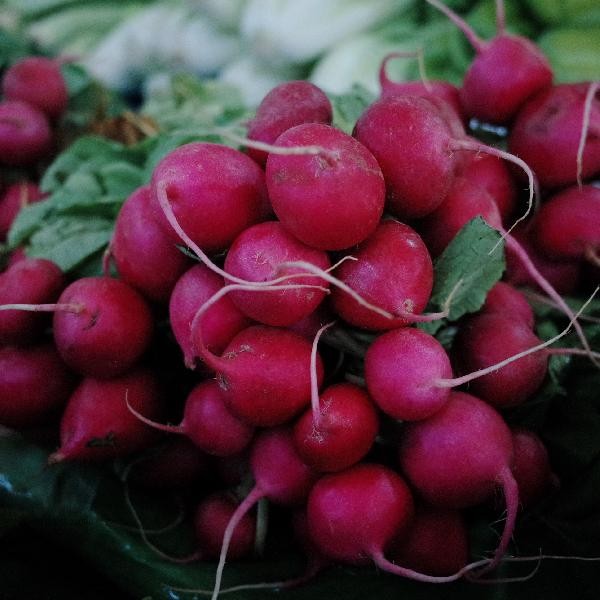
When choosing green radish, it is recommended to observe the smoothness of the skin and the freshness of the roots. Spicy varieties are best in a conical shape, while non spicy varieties are mostly cylindrical. Keeping radish sprouts during daily storage can extend the shelf life. It is recommended to use rice vinegar to neutralize irritants when pickling spicy radish. During periods of gastrointestinal discomfort, steaming and cooking should be prioritized. Special populations can consult nutritionists to develop personalized intake plans, and it is important to note that the total daily intake of radish vegetables should not exceed 200 grams.








Comments (0)
Leave a Comment
No comments yet
Be the first to share your thoughts!