
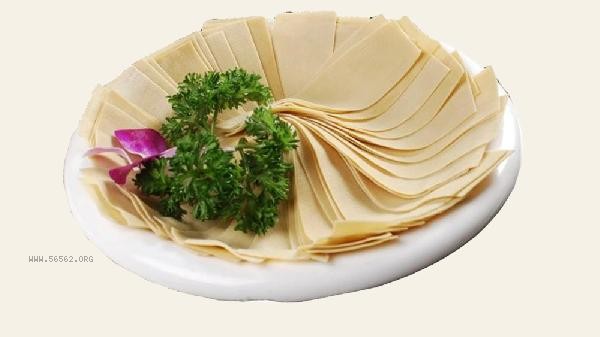
Qianzhang and tofu each have nutritional advantages, and the choice should be based on individual needs and constitution. Thousand sheets of tofu have a higher protein content and are easier to store, with better calcium absorption and a more delicate taste.
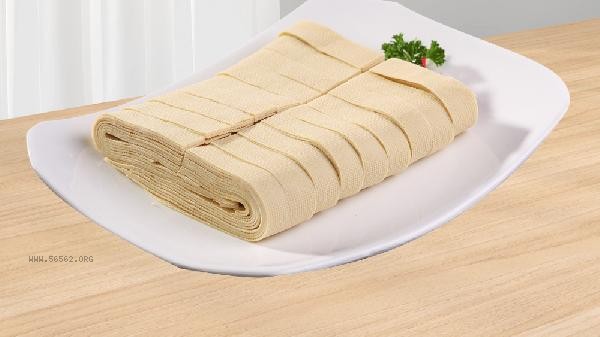
Qianzhang is made by pressing soy protein, with a protein content of over 20 grams per 100 grams, suitable for fitness enthusiasts to supplement protein. Its texture is tight and resistant to storage, and can be refrigerated for a week without spoilage, making it suitable as a regular ingredient. After dehydration treatment, Qianzhang suffers significant loss of vitamin B group, but the mineral content such as iron and zinc is relatively concentrated. A small amount of salt may be added during the production process, and hypertensive patients should pay attention to controlling their consumption. Those with tight fibrous structure and weak digestive function should cook thoroughly before consumption. Tofu has a water content of over 85%, with approximately 130 milligrams of calcium per 100 grams, and contains vitamin K2 to promote calcium deposition. Its plant estrogen is beneficial for menopausal women, and its soft and tender texture is suitable for digestion by the elderly and children. Lactone tofu is solidified with gluconic acid lactone, retaining more soy isoflavones; North tofu is solidified with brine and has a high magnesium content. The lecithin in tofu can emulsify cholesterol, but the purine content is relatively high, so consumption should be restricted during the acute phase of gout. Fresh tofu has a short shelf life, it is recommended to consume it as soon as possible after purchase.
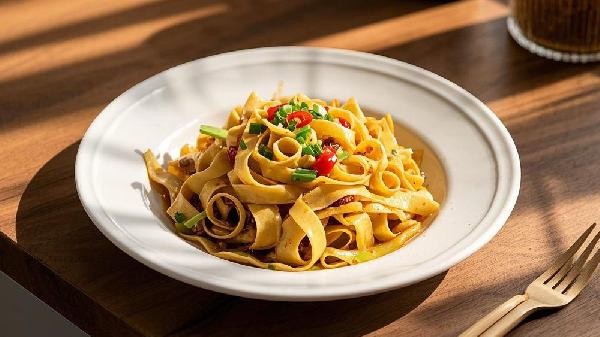
It is recommended to consume according to the dietary structure, such as choosing tofu for people with calcium deficiency, and increasing the intake of one thousand sheets during the muscle building period. Both belong to soybean products, and the daily total amount should be controlled at 100-150 grams to avoid excessive plant protein affecting iron and zinc absorption. People with renal insufficiency should control their intake under the guidance of a doctor, and those with soy allergies should avoid consumption. Pay attention to selecting products from reputable manufacturers to ensure that the processing meets food safety standards.








Comments (0)
Leave a Comment
No comments yet
Be the first to share your thoughts!