
Whether to cover the pot when cooking noodles depends on the type and taste requirements of the noodles. For chewy noodles, it is recommended not to cover the pot. For soft and rotten noodles or those that need to be cooked quickly, a pot cover can be used.
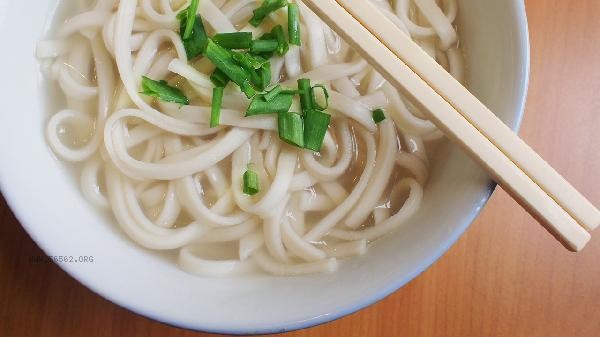
Cooking noodles without a lid can allow water to evaporate continuously, keeping the water temperature close to the boiling point but not excessively boiling. The starch on the surface of the noodles is not easily gelatinized, and the taste is more elastic and chewy. This method is suitable for hand noodles, Daoxiao Noodles and other noodles that need to retain their chewiness. It is advisable to use medium to high heat for fire control, and appropriate agitation is required during the cooking process to prevent adhesion. When cooking noodles without a lid, steam will dissipate quickly. It is important to pay attention to the amount of water to avoid drying out.
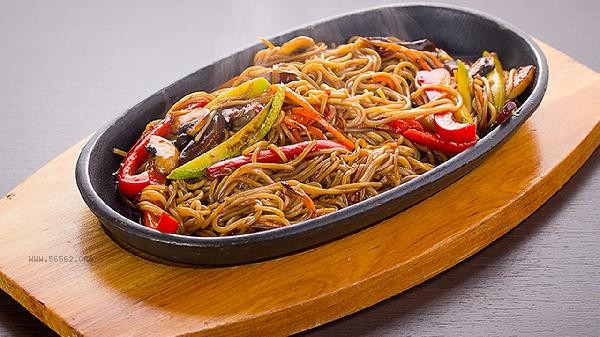
Covering the pot lid can accelerate the rise of water temperature, shorten the cooking time, and is suitable for situations that require quick cooking or prefer a soft and tender taste. The pot lid can reduce heat loss, making the inside and outside of the noodles more evenly heated, suitable for thin and soft noodles such as noodles and instant noodles. However, pay attention to the seam of the pot cover to avoid overflowing the pot. After boiling, adjust it to a low fire to prevent excessive boiling from causing the noodles to be soft outside and hard inside. When cooking noodles with a lid, the starch gelatinization degree is higher, and the soup will be thicker.

Regardless of whether the pot is covered or not, it is recommended to use sufficient boiling water when cooking noodles, with a water surface ratio of at least 3:1, and stir appropriately during the cooking process. Boiling fresh noodles with cold water can enhance their taste, while dry noodles can be boiled directly to the desired softness and hardness. Adjust the cooking time according to personal taste, and consider the cooking endurance of different ingredients when pairing with vegetables, meat, and other ingredients. Cook in batches to ensure the overall flavor.








Comments (0)
Leave a Comment
No comments yet
Be the first to share your thoughts!