
Hot plastic weight loss may have certain effects, but the effects vary from person to person and need to be combined with scientific weight loss methods. Thermolipolysis is a non-invasive fat reduction method that uses techniques such as radiofrequency or laser to break down fat cells. Its effectiveness is influenced by individual fat distribution, metabolic levels, and postoperative care.
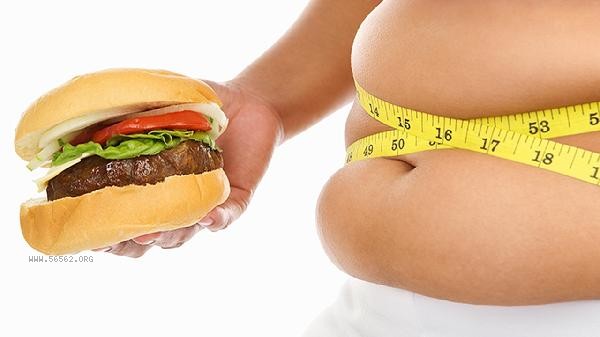
Thermoplastics use thermal energy to target the adipocyte membrane, promoting the liquefaction of fat and its elimination through lymphatic metabolism. For local fat accumulation such as the waist, abdomen, thighs, etc., a single treatment can reduce some fat thickness, but multiple treatments are needed to consolidate the effect. After treatment, there may be brief redness, swelling or bruising, which usually subsides on its own within 3-7 days. This technology has limited improvement on skin laxity and is more suitable for people with moderate body fat percentage who require local shaping. Relying solely on thermoplastics is difficult to achieve long-term weight loss effects, and postoperative adipocytes may still regenerate. Some individuals may experience rebound after treatment due to genetic obesity or endocrine disorders. Severe visceral fat accumulation requires a combination of dietary control and exercise intervention, and instrument assistance can only eliminate the subcutaneous fat layer. A small number of people may experience skin burns or fat nodules due to thermal sensitivity, and professional institutions need to operate and evaluate the indications.

It is recommended to use thermoplastics as an auxiliary means of comprehensive weight loss plan, combined with low-fat and high protein diet and aerobic exercise. Adequate hydration should be maintained before and after treatment to avoid dehydration, and postoperative body shaping clothing should be worn to help the skin retract. Those with basic diseases such as heart disease and diabetes should be carefully selected, and liver and kidney function tests and body fat assessments should be completed before treatment. If the weight fluctuation exceeds 10% of the baseline value or if there is persistent pain, medical attention should be sought promptly for follow-up examination.









Comments (0)
Leave a Comment
No comments yet
Be the first to share your thoughts!