
Traditional Chinese medicine for weight loss may have certain effects, but it needs to be comprehensively judged based on individual constitution, drug compatibility, and lifestyle. According to traditional Chinese medicine theory, obesity is often related to spleen and stomach disorders, as well as phlegm and dampness resistance. Some traditional Chinese medicines, such as hawthorn, lotus leaves, and cassia seed, can exert their effects by strengthening the spleen, reducing digestion, and promoting diuresis and dampness. Commonly used weight loss formulas in clinical practice, such as Fangfeng Tongsheng San and Wuling San, may improve metabolism and reduce edema type obesity in the short term. For people with damp heat constitution, prescriptions containing rhubarb and senna may promote bowel movements, but long-term use may damage gastrointestinal function. Some traditional Chinese medicines claiming weight loss effects contain illegally added Western medicine ingredients such as sibutramine, which may cause adverse reactions such as palpitations and insomnia. When relying solely on traditional Chinese medicine without adjusting dietary structure and exercise habits, the weight loss effect is prone to rebound. Traditional Chinese medicine weight loss emphasizes differential diagnosis and treatment, and the same formula has significant differences in its effectiveness for people with different constitutions.
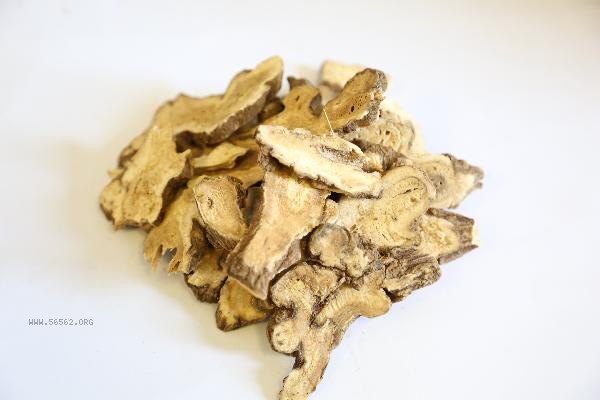
It is recommended to use traditional Chinese medicine for weight loss under the guidance of a regular Chinese medicine practitioner, combined with a low calorie diet and regular exercise. During treatment, liver and kidney function should be monitored to avoid the use of Chinese herbal preparations of unknown origin. Weight management should be centered around establishing a healthy lifestyle, with short-term medication interventions only serving as auxiliary measures.








Comments (0)
Leave a Comment
No comments yet
Be the first to share your thoughts!