
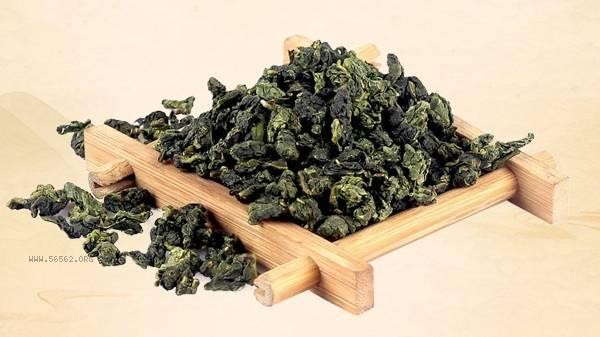
Drinking oolong tea after eating greasy food can help with digestion and relieve greasiness. The tea polyphenols and caffeine in oolong tea can promote gastrointestinal peristalsis and help break down fat. Oolong tea belongs to semi fermented tea and contains abundant tea polyphenols and caffeine. These substances can stimulate the secretion of gastric acid and enhance the digestive function of the gastrointestinal tract. When consuming high-fat foods, the burden on the stomach increases, and drinking oolong tea at this time can accelerate the breakdown and metabolism of fat. Tea polyphenols can also bind with fats in food, reducing intestinal absorption of fats. At the same time, the unique aromatic substances of oolong tea can alleviate greasiness and freshen breath.
Some people may experience discomfort when drinking oolong tea. For people who are fasting or have weak gastrointestinal function, drinking strong tea immediately after meals may stimulate the gastric mucosa and cause discomfort in the stomach. Caffeine sensitive individuals may experience symptoms such as increased heart rate and insomnia. Pregnant women, anemic patients, and gastric ulcer patients should control their drinking intake to avoid affecting iron absorption or worsening the condition.
It is recommended to drink light tea half an hour after meals and avoid drinking tea on an empty stomach. Daily diet should pay attention to the combination of meat and vegetables, and control the intake of high-fat foods. Maintain regular exercise habits to promote metabolism. If there are long-term symptoms of indigestion, timely medical examination should be sought to rule out the possibility of gastrointestinal diseases. Although drinking tea can help relieve greasiness, it cannot replace a healthy diet and necessary medical interventions.








Comments (0)
Leave a Comment
No comments yet
Be the first to share your thoughts!