
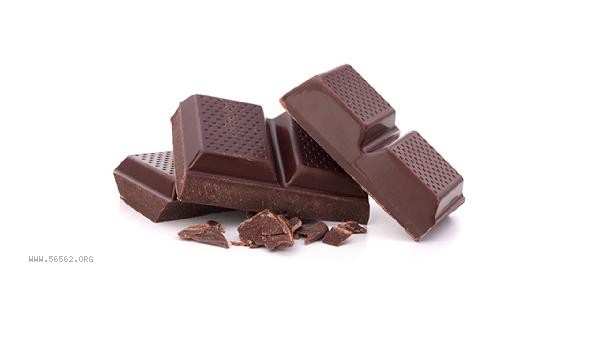
Moderate consumption of chocolate generally does not directly lead to weight gain, while excessive intake may increase the risk of obesity. Chocolate has a high calorie content, and the main factors affecting weight include cocoa content, added sugar, consumption, exercise expenditure, and individual metabolic differences. The higher the cocoa solids content in chocolate, the lower the sugar and fat content, and the less impact it has on body weight. Dark chocolate usually has a low sugar content, and moderate consumption can provide antioxidants, but daily intake still needs to be controlled. Milk chocolate and white chocolate have higher calorie content due to the addition of sugar and milk fat, making long-term overconsumption more likely to lead to excess calories. The efficiency of converting saturated fatty acids and sugars in chocolate into fat in the body is relatively high, especially when consumed at night without exercise and consumption, it is more likely to form fat accumulation. Individual differences in basal metabolic rate can also affect the conversion efficiency of chocolate calories, and those with slower metabolism need to strictly control their intake. In special circumstances, sugar substitutes or high protein chocolates may have a small impact on weight, but sugar substitutes may stimulate appetite and increase total calorie intake. Some people have chocolate addiction and are prone to overeating during emotional fluctuations. This unconscious calorie intake is more likely to lead to weight gain. Some functional chocolates contain dietary fiber or probiotics, which theoretically may help regulate gut microbiota balance, but there is insufficient evidence to support their actual weight loss effects.

It is recommended to choose dark chocolate with a cocoa content of over 70%, with a daily intake controlled within 30 grams, and avoid consuming it after dinner. Combining regular exercise helps burn excess calories, and pay attention to observing weight changes to adjust intake. People with blood sugar problems or obesity tendencies should consult a nutritionist to develop a personalized diet plan. Chocolate can be enjoyed occasionally rather than as a daily necessity. Maintain a diverse dietary structure and avoid nutritional imbalances caused by excessive intake of a single food.









Comments (0)
Leave a Comment
No comments yet
Be the first to share your thoughts!