
Black oolong tea has a certain auxiliary effect on weight loss, but the effect varies from person to person. The tea polyphenols and caffeine in black oolong tea may help promote fat metabolism, but it requires dietary control and exercise to achieve the desired effect. Black oolong tea belongs to semi fermented tea, and its unique tea polyphenols and theaflavins may help inhibit fat absorption and promote energy consumption. Caffeine can slightly increase basal metabolic rate, but drinking tea alone cannot achieve significant weight loss. Long term consumption may help regulate blood lipid levels and indirectly aid in weight control. Excessive consumption may lead to insomnia or gastrointestinal discomfort, and it is recommended to consume no more than 3 cups per day.
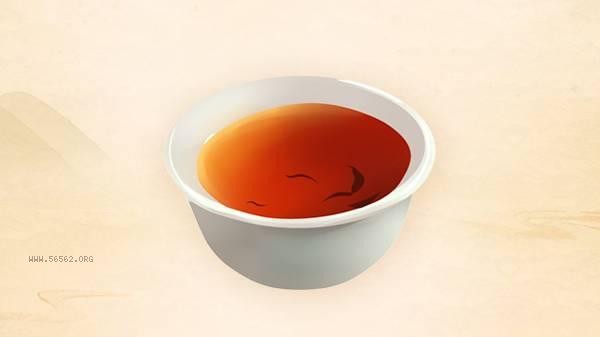
Some people may experience palpitations or stomach discomfort after drinking, and such situations require reducing intake or stopping drinking. Drinking on an empty stomach may irritate the gastric mucosa, it is recommended to drink it 1 hour after a meal. Patients with special constitutions such as anemia or hypotension should drink with caution to avoid exacerbating symptoms. Pregnant and lactating women should control their intake, as excessive caffeine may affect fetal development.
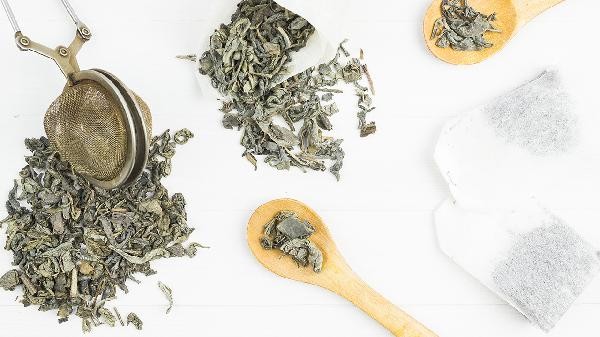
To lose weight, comprehensive measures should be taken. It is recommended to maintain a balanced diet while drinking black oolong tea, increase the intake of vegetables, fruits, and high-quality protein, and reduce high sugar and high-fat foods. Engage in moderate aerobic exercise such as brisk walking or swimming every week to ensure adequate sleep. If there is persistent abnormal weight, it is recommended to consult a nutritionist or develop a personalized weight loss plan. Be careful not to overly rely on a single weight loss method, and maintaining healthy lifestyle habits is the key to controlling weight.








Comments (0)
Leave a Comment
No comments yet
Be the first to share your thoughts!