
Beef is not considered high-quality fat, but it contains a certain amount of high-quality protein and saturated fat. The fat composition of beef mainly includes intramuscular fat, saturated fatty acids, monounsaturated fatty acids, etc. Its nutritional value is mainly reflected in protein and mineral content. The fat in beef is mainly saturated fat, and excessive intake of this type of fat may increase the risk of cardiovascular disease. High quality fats usually refer to foods rich in unsaturated fatty acids, such as omega-3 fatty acids in deep-sea fish or monounsaturated fatty acids in nuts. Although beef contains a small amount of monounsaturated fatty acids, the overall fat structure is still dominated by saturated fat, which does not meet the definition criteria for high-quality fat. The fat content in beef varies greatly among different parts, with higher fat content in beef brisket, beef ribs, and other parts, while lower fat content in beef tenderloin, beef leg, and other parts. Different feeding methods can also affect the fat composition of beef, with grass fed beef typically containing a higher proportion of omega-3 fatty acids. However, even so, beef cannot be used as the main source of high-quality fat, and is more suitable as a supplementary channel for high-quality protein and minerals such as iron and zinc.
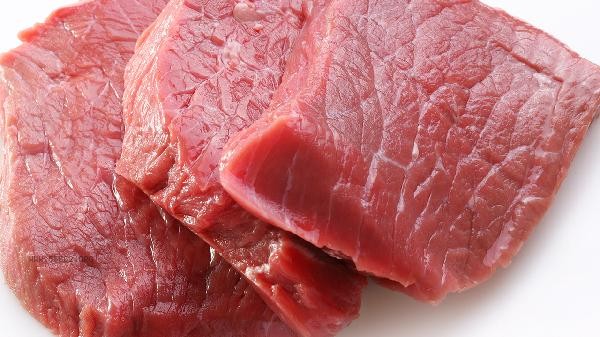
It is recommended to include beef as part of a balanced diet, controlling the frequency and amount of consumption, and prioritizing parts with lower fat content. Simultaneously pairing with foods rich in high-quality fats such as deep-sea fish, flaxseed, olive oil, etc., to ensure a balanced intake of fatty acids. When cooking, methods such as stewing and baking can be used to reduce the addition of extra oil and avoid high temperature frying that can cause fat oxidation. Special populations such as cardiovascular disease patients should control their intake of beef under the guidance of a doctor.
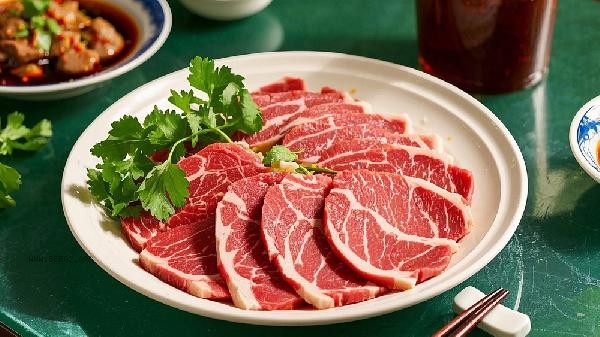
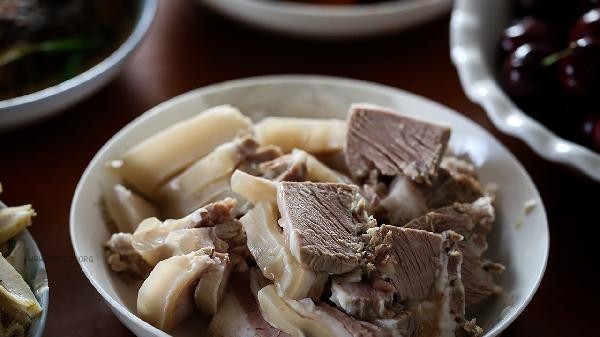








Comments (0)
Leave a Comment
No comments yet
Be the first to share your thoughts!