
Wild turtles can be identified by observing their external characteristics, activity status, growth environment, differences in meat quality, price, and other factors.
1. Appearance Features
Wild turtles have thick and rough dorsal shells, with wear marks on the edges. The color is dark and uneven, often appearing yellow brown or black brown. artificially cultivated turtles have thin and smooth dorsal shells, with uniform and light colors. Wild turtles have strong and robust limbs, sharp claws, and well-developed neck muscles. Artificially farmed turtles have relatively thin and weak limbs, with rounded and blunt claws.
2. Activity Status
Wild turtles have strong activity ability and quick reaction. When disturbed, they will quickly shrink into their shells or move around quickly. Artificially cultivated turtles have weak activity ability, slow response, and slow movement. Wild turtles struggle vigorously after leaving the water and can last for a long time. Artificially farmed turtles struggle less after leaving the water and quickly calm down.
3. Growing Environment
Wild turtles often inhabit natural water bodies such as rivers, lakes, reservoirs, etc., and their living environment is complex and varied. Artificially bred turtles live in artificially constructed ponds, and the water quality and environment are relatively simple. Wild turtles often have natural attachments such as algae and moss attached to their carapace. Artificially cultivated turtles have relatively clean carapace and few natural attachments.
4. Differences in Meat Quality
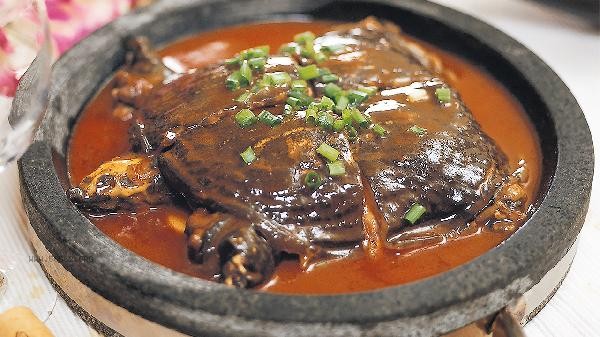
Wild turtles have firm and elastic meat, thicker muscle fibers, and a delicious taste with a natural fishy smell. Artificially cultivated turtles have relatively soft meat, fine muscle fibers, and a light taste. Wild turtles have lower fat content and darker flesh color. Artificially cultivated turtles have a high fat content and a lighter color.
5. Price Difference
Wild turtles are rare in quantity, have a long growth cycle, and are difficult to catch, resulting in higher market prices. Artificially farmed turtles have a high yield, short growth cycle, and relatively low price. The price of wild turtles is usually several times higher than that of artificially farmed turtles. Most of the products purchased at a low price are counterfeit wild turtles.
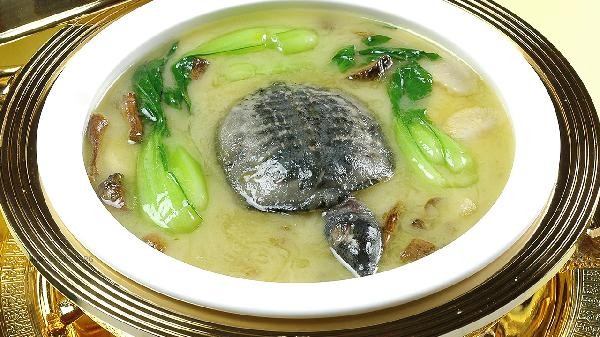
It is recommended to choose legitimate channels when purchasing turtles, pay attention to observing the characteristics of turtles, and avoid buying counterfeit wild turtles. Wild turtles are rich in nutrients, containing high-quality protein, various vitamins, and minerals. Moderate consumption can help supplement nutrition. But turtles are cold in nature and those with spleen and stomach deficiency should eat less. Pregnant women and children should consult a doctor's opinion before consumption. Thoroughly clean before cooking to ensure food safety.








Comments (0)
Leave a Comment
No comments yet
Be the first to share your thoughts!