
Women need to adopt a scientifically balanced approach to weight loss, and it is recommended to achieve weight control through multidimensional health management such as dietary adjustments, exercise, and daily routines.
1. Dietary Control
Reduce refined carbohydrates intake and replace some staple foods with whole grains such as oats and brown rice. The recommended daily vegetable intake is 300-500 grams, and high fiber varieties such as broccoli and spinach are preferred. Reasonably allocate the three major nutrient ratios, high-quality protein can be obtained from fish and shrimp, chicken breast meat, and soy products. When cooking, use healthy oils such as olive oil, and control the daily total calorie intake below the consumption of 200-300 calories.
2. Exercise Management
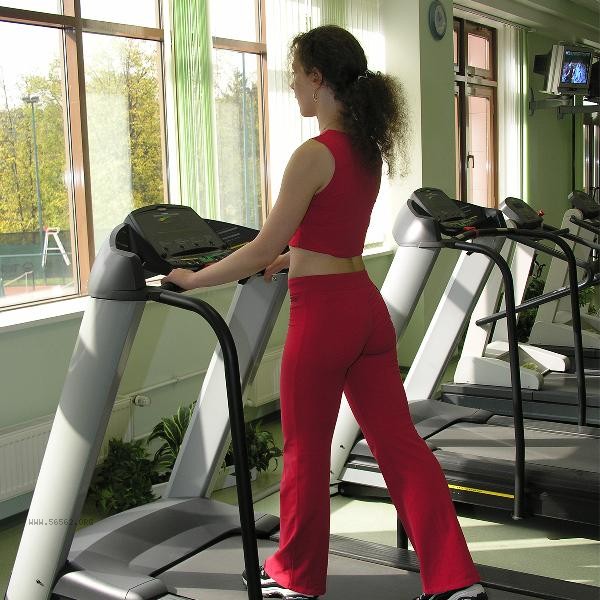
Engage in 150 minutes of moderate intensity aerobic exercise per week, such as brisk walking, swimming, cycling, etc., combined with 2-3 resistance training sessions per week to improve muscle mass. Recommend HIIT high-intensity interval training, which can effectively improve metabolic rate. Before and after exercise, it is necessary to fully warm up and stretch, gradually increase the intensity, and avoid sports injuries.
3. Lifestyle
Ensure 7-8 hours of high-quality sleep per day and regulate stress hormone levels. Establish a regular eating schedule and avoid eating late at night. Quit smoking and limit alcohol intake, reduce refined sugar and trans fat intake, and drink 1500-2000 milliliters of water daily to promote metabolism.
4. Weight Monitoring
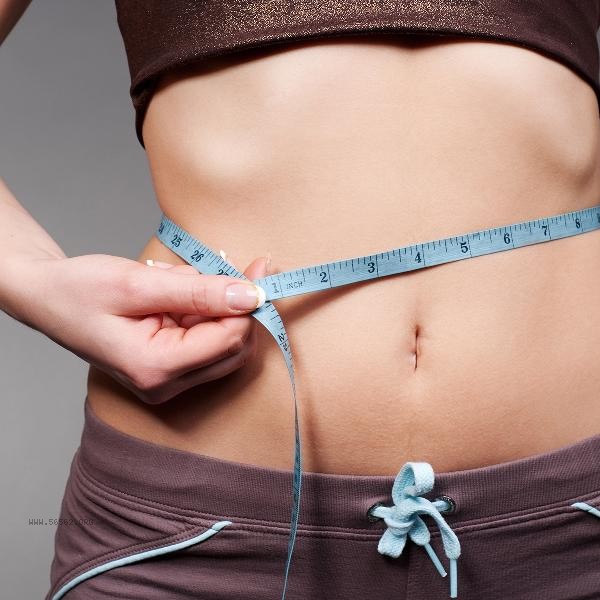
Measure weight and body fat percentage at fixed times every week, and record changes in body circumference. It is recommended to use an intelligent body fat scale to track metabolic indicators and analyze weight loss effects in conjunction with a diet and exercise diary. During the plateau period, one can adjust their exercise routine and dietary structure.
5. Health concept
Establish reasonable weight loss goals, with a monthly weight loss of no more than 5% of body weight. Avoid extreme dieting or excessive exercise, and be alert to rapid weight fluctuations. Pay attention to body fat percentage and body shape changes rather than just weight numbers. If necessary, seek professional guidance from a nutritionist or fitness coach.
During weight loss, it is recommended to undergo regular physical examinations and pay attention to various physiological indicators. If symptoms such as menstrual disorders and fatigue occur, the plan should be adjusted in a timely manner. Maintain a balanced diet structure, ensure the intake of key nutrients such as iron and calcium, and supplement with appropriate amounts of multivitamins. Long term maintenance of a healthy lifestyle is more important than short-term rapid weight loss, and cultivating sustainable exercise and dietary habits is key.








Comments (0)
Leave a Comment
No comments yet
Be the first to share your thoughts!