
The cleanest way to clean raisins is to soak them in warm water first, and then rinse them repeatedly with running water. Raisins may have residual dust, insect eggs, or pesticides on their surface. The main cleaning methods include soaking in warm water, rinsing with running water, starch adsorption, salt sterilization, and white vinegar softening.
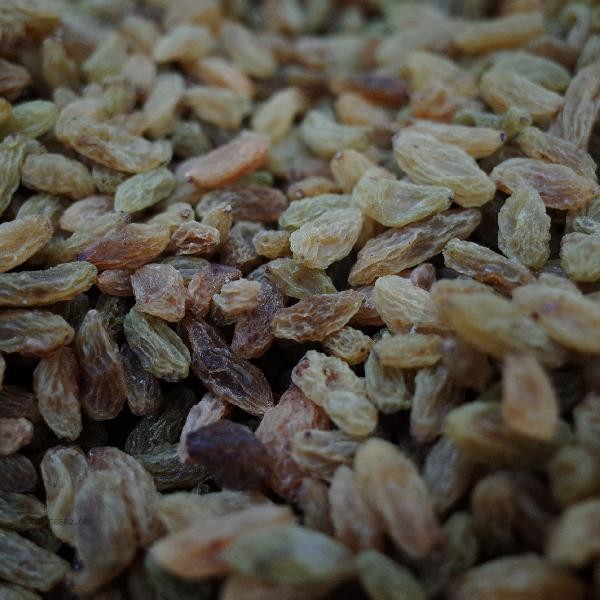
1. Soak raisins in warm water
Soak raisins in warm water at 35-40 ℃ for 10 minutes. The water temperature should not be too high to avoid damaging the nutrition. Warm water can soften impurities in surface wrinkles, promoting the dissolution of dust and some pesticides. When soaking, gently stir with chopsticks to help separate attachments.
2. Rinse with running water
Place the soaked raisins in a fine mesh sieve and rinse with running water for 2-3 minutes. The water pressure can wash away most loose impurities. It is recommended to gently rub the surface with your fingers while rinsing, paying special attention to the cleanliness of the concave part of the fruit stem. This step can remove over 90% of visible pollutants.
3. Starch adsorption
Add a small spoonful of starch to clean water and stir evenly. Soak in raisins for 5 minutes. Starch molecules can adsorb small particles and oil residues in folds, which has a good effect on removing insect eggs. After completion, rinse with running water again to avoid starch residue.

4. Salt sterilization
Soak raisins in 3% concentrated light salt water for 8 minutes. Salt has antibacterial effects and can dissolve some wax coatings. Suitable for handling raisins with white frost on the surface, but hypertensive patients should ensure thorough rinsing before consumption.
5. White Vinegar Softening
Add a small amount of white vinegar to water and soak for 3 minutes. The acidic environment can decompose some pesticide residues and soften the fruit skin. The vinegar concentration should not exceed 5% to avoid affecting the taste. This method has a more significant cleaning effect on sulfur smoked raisins. After cleaning, raisins should be drained of water and spread flat on kitchen paper to dry in the shade or at low temperatures. It is recommended to prioritize natural dried raisins without additives, as organic raisins have a lower probability of pesticide residue. Daily storage should be sealed and moisture-proof. If mold is found, it should be discarded immediately. For raisins that can be consumed directly, rinse them with purified water for the last time after cleaning to ensure safety.








Comments (0)
Leave a Comment
No comments yet
Be the first to share your thoughts!