
After losing weight, sagging skin can be helped to become firmer through exercise, using skincare products, adjusting diet, medical beauty treatments, and ensuring adequate sleep. Skin laxity after weight loss may be related to factors such as rapid weight loss, loss of collagen, aging, decreased skin elasticity, and excessive body weight. It usually manifests as symptoms such as sagging and increased wrinkles in the abdomen, arms, thighs, and other areas.

1. Exercise
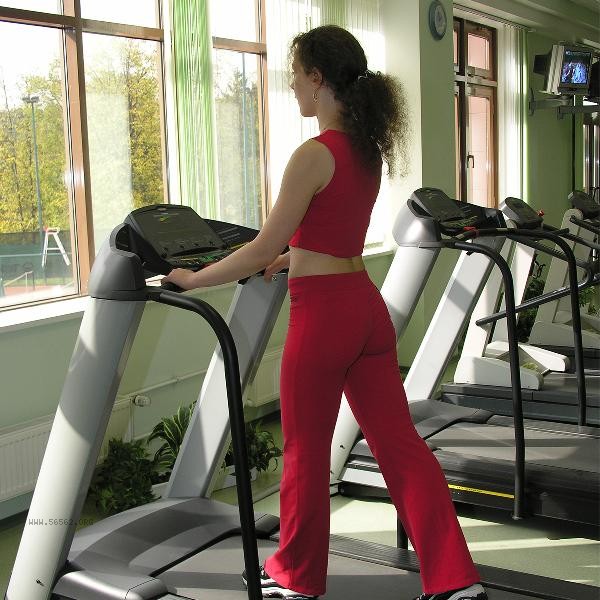
Proper strength training can help strengthen muscles and fill loose skin caused by fat loss. It is recommended to choose exercises targeting large muscle groups, such as squats, push ups, and plank supports, 3-5 times a week for 30-60 minutes each time. Long term persistence can improve skin firmness, especially with significant effects on the abdomen and buttocks. Sports such as swimming and yoga can also help improve skin elasticity.
2. Using skincare products
Choosing skincare products containing collagen, elastin, vitamin C, hyaluronic acid, and other ingredients can promote skin repair. It is recommended to use firming essence containing retinol, anti-aging face cream containing peptides, and lotion with moisturizing function. Persist in using it every morning and evening, combined with massage techniques to lift the skin from bottom to top, especially suitable for improving facial and neck relaxation.
3. Adjusting diet
supplementing with high-quality protein such as eggs, fish, and soy products can promote collagen synthesis. Consuming citrus fruits and dark vegetables rich in vitamin C can help with antioxidant properties. Moderate supplementation of foods such as salmon and flaxseed with omega-3 fatty acids can improve skin elasticity. Maintain a daily water intake of 1500-2000ml to keep the skin hydrated. Avoid damaging skin fibers with high sugar and high oil foods.
4. Medical Aesthetics Treatment
For severe skin laxity, medical aesthetics treatment can be considered. Radiofrequency firming stimulates collagen regeneration through thermal energy, suitable for mild to moderate relaxation. Ultrasonic scalpel can elevate deep tissue of the skin. For large areas of relaxation, skin excision may be necessary. These treatments need to be selected after evaluation by a professional doctor, and require a certain recovery time after surgery, which may take 2-3 courses to see significant results.
5. Ensure adequate sleep
Ensuring 7-9 hours of high-quality sleep every day helps with growth hormone secretion and promotes skin repair. Adopting a supine position during sleep can reduce facial wrinkles. A simple facial massage before bedtime can promote blood circulation. Using silk pillowcases can reduce friction on the skin during sleep. Long term sleep deprivation can accelerate skin sagging, so it is important to avoid unhealthy habits such as staying up late. Improving skin sagging after weight loss requires comprehensive conditioning and patient persistence. It is recommended to scientifically lose weight under the guidance of a professional nutritionist and control the monthly weight loss to no more than 5% of the total weight. Pay attention to sun protection in daily life and avoid UV damage to the skin's elastic fibers. Moderate alternating hot and cold water showering can stimulate skin microcirculation. For obvious skin sagging problems, it is recommended to consult a dermatologist or plastic surgeon for evaluation. Maintaining a healthy lifestyle and positive attitude is also beneficial for skin recovery.









Comments (0)
Leave a Comment
No comments yet
Be the first to share your thoughts!