
It is recommended to store unopened rice in a cool, dry, and well ventilated place to avoid high temperatures and humidity. Rice storage should pay attention to moisture-proof, insect proof, mold proof, and other methods, mainly including sealed storage, low-temperature storage, dark storage, regular inspection, and isolation of odors.
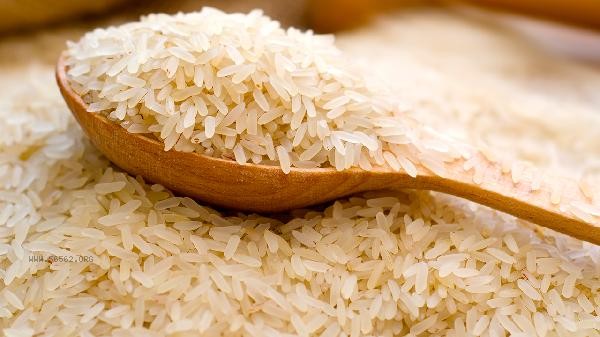
1. Sealed storage
Vacuum packaged rice that has not been opened can be stored directly. For regular packaging, it is recommended to cover it with a sealed bag or transfer it to a sealed container. Sealing can effectively isolate air humidity and prevent rice from absorbing moisture and clumping. If the packaging is found to be damaged, the container should be replaced immediately. Food grade plastic drums or glass jars can be used for sealing, and placing food desiccants inside the container is more effective.
2. Low temperature storage
Temperatures exceeding 20 degrees Celsius can accelerate the oxidation of rice fat. It is recommended to store in a cool place or in a refrigerator. During high temperatures in summer, it can be divided into small portions and frozen for preservation. Freezing can kill potential insect eggs. Please note that after freezing, it should be left to stand at room temperature before opening to prevent condensation from seeping in. Long term storage is recommended to maintain an environment below 15 degrees Celsius.
3. Store in the dark
Ultraviolet radiation can damage the vitamin B and vitamin E in rice, so it should be kept away from direct sunlight. You can choose opaque storage cabinets or covered with blackout cloth. Brown glass containers are more conducive to avoiding light than transparent containers. The area near the kitchen stove is not suitable for long-term storage due to large temperature fluctuations and strong lighting.
4. Regular Inspection
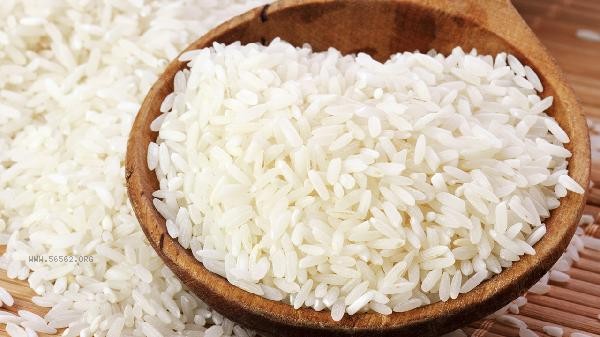
Check the rice monthly for clumping, mold, or insect infestation. Rice nearing its expiration date should be prioritized for consumption. If rice worms are found, natural insect repellent materials such as Sichuan peppercorns and garlic can be placed around the container. Damp rice can be spread out, dried, and sieved. Moldy rice can produce aflatoxin and should be discarded immediately. It is not edible.
5. Isolate odors
Rice is prone to absorbing surrounding odors and should be kept away from volatile substances such as oil fumes and detergents. Can store and adsorb odors together with activated carbon packs, but cannot come into direct contact. It is recommended to store newly purchased rice separately for two weeks before mixing it with other grains. New rice has a high moisture content and special attention should be paid to mold prevention. It is best to consume the opened rice within 2-3 months.
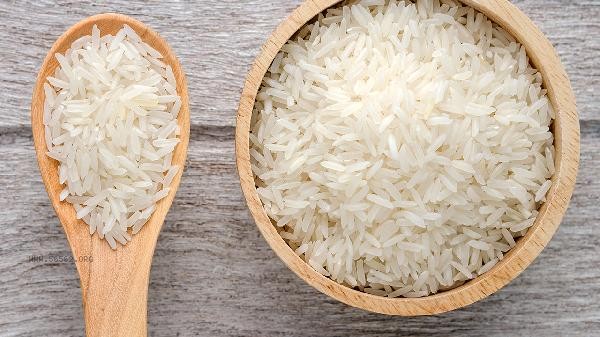
During storage, the rice bag can be regularly flipped to prevent heat accumulation at the bottom, and a dehumidification box can be placed during the rainy season to control humidity. Choosing a sealed jar with an inner lid can better maintain the freshness of rice, and the inner wall of the pottery jar can be padded with food grade moisture-proof paper during storage. If the rice grains turn yellow or have a crackling taste, it indicates that they have spoiled and it is not recommended to continue consuming them. Reasonable storage can maximize the retention of rice nutrients while avoiding food waste.








Comments (0)
Leave a Comment
No comments yet
Be the first to share your thoughts!