
Unfinished red wine can be stored by refrigeration, isolating air, changing containers, and other methods. Red wine is prone to oxidation and spoilage after opening, and proper storage methods can prolong its flavor retention time.
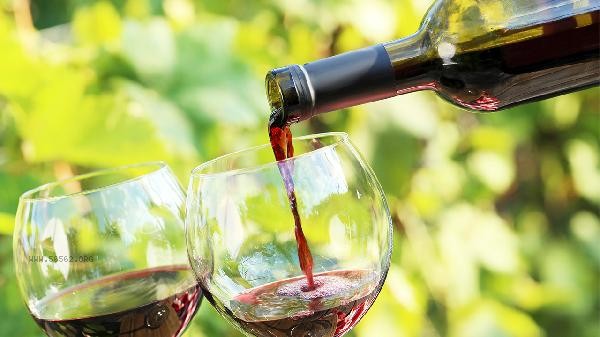
1. Refrigerate storage
Storing the remaining red wine in the refrigerator is the simplest method. Low temperature can significantly slow down the oxidation rate. Red wine can be stored for 3-5 days in refrigeration, while white wine and ros é wine can be stored for 5-7 days. When refrigerating, it is necessary to ensure that the bottle stopper is tightly sealed and placed upright to reduce the contact area between the wine and air. After taking it out of the refrigerator, it needs to be allowed to cool down before drinking. Sudden temperature changes can affect the taste.
2. Air isolation
Using a vacuum pump to remove air from the bottle can extend the storage period by 1-2 weeks. Inert gases such as nitrogen can also be injected into the bottle to form a protective layer. The small bottle packaging method can reduce the retention of air and transfer the liquor to 375ml or 187ml small bottles until the bottle is full. These methods delay the oxidation process through physical isolation and are suitable for storing mid to high end red wine.
3. Container Replacement
Glass sealed cans are more suitable for short-term storage than original wine bottles. Choose a container with a volume that matches the remaining amount of alcohol to reduce the top air space. Stainless steel sealed tanks can completely avoid light, while ceramic containers can maintain temperature stability. When transferring, the movement should be gentle to avoid shaking, and the container should be disinfected in advance. This method is suitable for preserving high-quality red wine that needs to be further aged.

4. Use a preservation tool
specialized red wine preservation stopper to effectively seal the bottle mouth, and some products have built-in activated carbon filter cartridges. The preservative spray can form a protective film on the surface of the wine, and the main component is food grade inert gas. Electronic preservatives inhibit bacteria by releasing trace amounts of sulfur dioxide, and contact parts need to be cleaned after each use. These auxiliary tools can be used in conjunction with other methods to enhance the saving effect.
5. Rapid consumption
Using leftover red wine for cooking is the most economical way to handle it. Adding it to stew can soften the meat and make red wine vinegar that can be stored for several months. Mixing Sangria sparkling wine and other beverages can mask the slightly oxidized flavor, while making red wine jelly can extend the shelf life. This method is suitable for red wine that has already undergone slight oxidation, avoiding waste caused by direct consumption.

When storing opened red wine, it is important to maintain a stable ambient temperature of 15-18 degrees Celsius and avoid direct sunlight and vibration. The shelf life of different varieties of red wine varies greatly, and Cabernet Sauvignon with high tannin content is more resistant to storage than Pinot Noir. It is not advisable to continue drinking when the color of the wine turns brown and there is a sour vinegar taste. Small wine cabinets or dedicated refrigerators can be prepared for daily storage, and it is recommended to choose professional equipment with temperature control function for long-term storage. Reasonably planning alcohol consumption is still the best way to avoid residual alcohol.








Comments (0)
Leave a Comment
No comments yet
Be the first to share your thoughts!