
Buying too many scallions can extend their storage time through methods such as refrigeration, water curing, soil burial, air drying, and freezing.
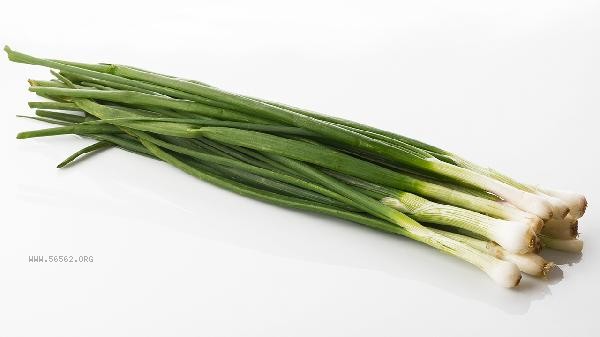
1. Refrigeration method
Remove the dead leaves from the scallions and keep the roots. Wrap the white part of the scallions with kitchen paper and put them in a fresh-keeping bag. Leave a small gap at the bag mouth to keep them breathable. Store them in the refrigerator compartment for a longer time. A refrigerated environment can delay the loss of water from scallions, but it is important to avoid contact with other strongly scented foods to prevent cross contamination. This method is suitable for short-term storage of fresh scallions.
2. Water Nourishing Method
Insert the roots of scallions downwards into a container filled with clean water, submerge the roots with water, and replace the water every few days. The water cultivation method can maintain the continued growth of scallions, and the scallion leaves can remain in a green state, but direct sunlight should be avoided. This method is suitable for immediate use in the kitchen, but the storage time should not be too long, otherwise the roots are prone to decay.
3. Soil burial method
Insert the rooted scallion diagonally into moist sandy soil or flowerpot soil, place it in a cool and ventilated place, and regularly spray water to maintain soil moisture. The soil burial method simulates the natural growth environment of scallions, which can be preserved for a long time and continue to grow new leaves. Pay attention to the soil not being too wet to avoid root rot. It is suitable for storage on balconies or in courtyards where conditions permit.
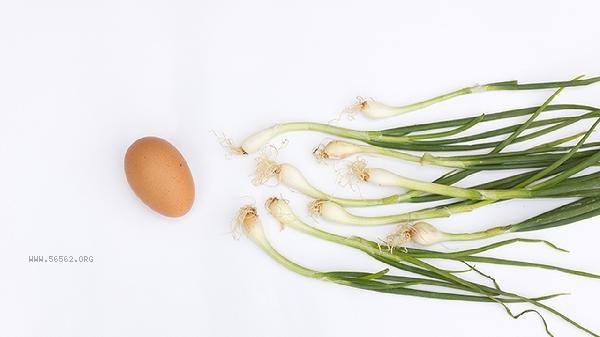
4. Dry drying method
Wash the scallions and cut them into sections or pieces. Spread them flat in a ventilated area to dry the moisture, or use an oven to dry them at low temperatures. After completely drying, store in a sealed container and use directly. Although dried onions lose their fresh taste, they have a stronger aroma and are suitable for use as seasonings. Pay attention to avoiding moisture and preventing mold during the drying process.
5. Freezing method
Cut the scallions into small pieces or segments, pack them into sealed bags, squeeze out air, and freeze them for storage. Frozen scallions can be directly used for cooking, but after thawing, their texture becomes soft and suitable for making soup or stir frying for seasoning. Pay attention to thoroughly draining the water after cleaning before freezing, and the recommended amount for packaging should be one use to avoid repeated thawing and affecting quality.
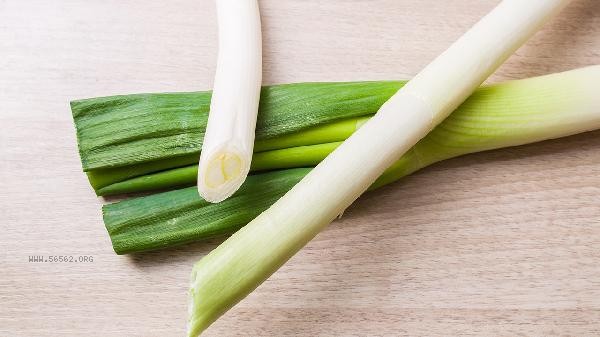
When selecting scallions, it is recommended to prioritize high-quality scallions with intact roots and tight white onions. Different storage methods can be combined according to actual needs. Daily use should pay attention to maintaining a clean storage environment and regularly checking for any signs of decay or deterioration. If mold spots or softening rot are found on the scallions, they should be immediately discarded and not eaten. Reasonable storage of scallions can reduce waste and ensure the freshness of ingredients, adding flavor to dishes.








Comments (0)
Leave a Comment
No comments yet
Be the first to share your thoughts!