
Mature bananas can be stored for an extended period of time through methods such as low-temperature refrigeration, hanging storage, wrapping the stems, avoiding squeezing, and controlling humidity.
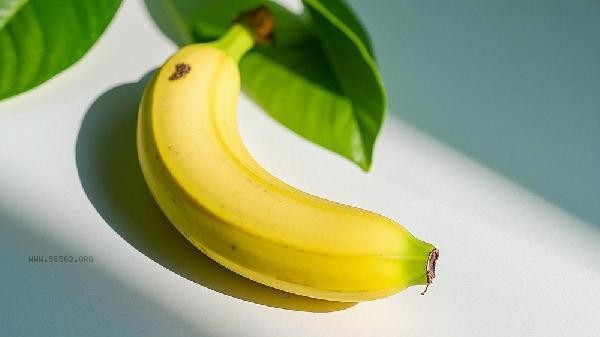
1. Low temperature refrigeration
Storing ripe bananas in the refrigerator can slow down the ripening process. Banana peels will turn black at low temperatures, but the flesh can still remain fresh. It is recommended to keep the refrigeration temperature at 10-13 degrees Celsius, as too low a temperature can cause frostbite. Wrap banana stems with plastic wrap before refrigeration to reduce ethylene release.
2. Hanging storage
Hanging bananas in a well ventilated area can reduce mechanical damage caused by compression. Bananas themselves release ethylene gas, and the hanging state is conducive to gas diffusion. Special banana hooks or ropes can be used to lift the entire string of bananas, avoiding contact with other fruits.
3. Wrapping the stems tightly with cling film can effectively inhibit ethylene diffusion in banana skewers. Ethylene is a key hormone that promotes fruit ripening, with the stem being the main release site. When wrapping, it is necessary to ensure that the incision is completely covered, and changing the plastic wrap every 2-3 days would be more effective.
4. Avoid squeezing
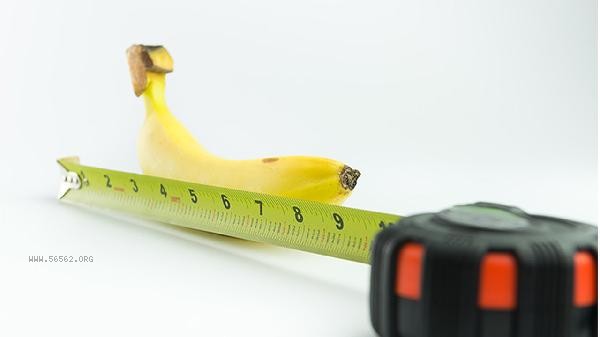
When storing bananas, stacking or heavy objects should be avoided. Thin banana peels are prone to bruising due to external forces, accelerating local decay. Place it separately in a fruit basket or container, keeping a certain distance from other fruits, especially from fruits such as apples that release a large amount of ethylene.
5. Control humidity
Keeping the environmental humidity between 85% -90% can prevent bananas from losing water too quickly. Excessive dryness can cause the skin to wrinkle, and high humidity can easily breed mold. You can place a small amount of water basin in the storage area to adjust the humidity, or use microporous plastic bags for packaging, which can both moisturize and maintain breathability. When storing ripe bananas in daily life, it is recommended to prioritize using a combination of hanging and stem wrapping. If you need to store for a longer time, you can choose to refrigerate but pay attention to temperature control. Bananas should not be stored after cleaning, as surface moisture can accelerate spoilage. Bananas with higher maturity can be peeled, packaged, and frozen for making milkshakes or baking. When purchasing, choose bananas with a slightly blue color and ripen them as needed to extend the overall consumption cycle. Regularly check during the storage process and promptly remove individuals that have started to rot to avoid affecting other bananas.








Comments (0)
Leave a Comment
No comments yet
Be the first to share your thoughts!