
The key to storing rice without insects for a year is to control humidity, isolate the air, maintain low temperatures, and conduct regular inspections. There are five main methods: sealed storage, low-temperature storage, desiccant moisture-proof, Sichuan pepper deworming, and regular sun drying.
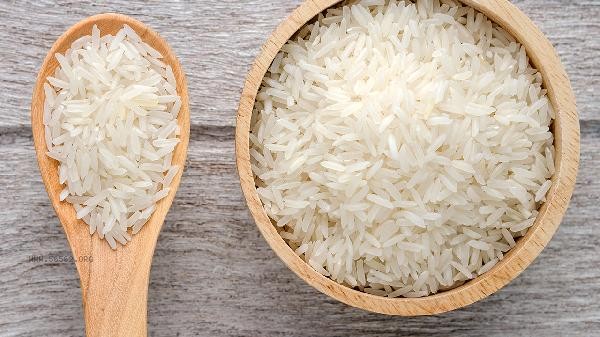
1. Sealed storage
Put the rice into a food grade sealed container or vacuum bag, exhaust the air, and completely seal it. Containers such as glass jars and plastic buckets should ensure that the lid is equipped with a rubber ring, which can effectively block air and insect eggs from entering. It is recommended to freeze newly purchased rice for 48 hours to kill potential insect eggs before sealing it to avoid breeding at the source.
2. Low temperature storage [SEP]: Temperatures below 15 ℃ can significantly inhibit rice worm activity. In summer, sealed rice can be stored in the refrigerator or in a cool and ventilated storage cabinet at home. Be careful to avoid severe temperature fluctuations that may cause condensation. Before refrigeration and use, let it stand at room temperature before opening.
3. Moisture proof desiccant
Place food grade deoxidizer or quicklime package in the rice storage container to absorb moisture from the environment. About 50 grams of desiccant are needed for every 10 kilograms of rice, and it should be replaced regularly to maintain the drying effect. The traditional method can be replaced by stir frying and drying dried seaweed, which needs to be replaced as soon as its color darkens after absorbing moisture.
Fourthly, Sichuan pepper deworming
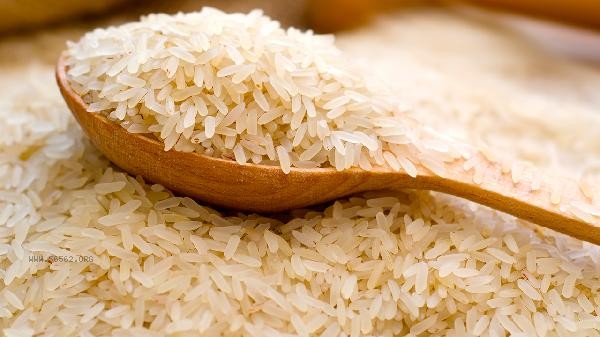
Sichuan pepper volatile oil has a natural repellent effect on pests such as rice weevils. Put 20-30 Sichuan peppercorns into gauze bags, layer by layer bury them in rice piles, or mix them directly with rice in a 1:100 ratio for storage. This method is suitable for short-term storage and requires replacing Sichuan peppercorns every two months to maintain odor concentration.
5. Regular sun drying
Choose dry weather before and after the rainy season, spread the rice flat on a bamboo mat and air dry for 2-3 hours. Ultraviolet radiation can kill insect eggs. After sun exposure, it is necessary to thoroughly cool and reseal to avoid condensation caused by hot air. This method is applicable to unopened whole bags of rice. It is recommended to use other methods for packaged rice.
In addition to the above methods, it is recommended to place the rice on a shelf at least 30 centimeters above the ground to avoid moisture infiltration from the ground. The shelf life of different varieties of rice varies greatly, and whole grains such as brown rice are more prone to spoilage due to their oil content. It is recommended to prioritize consumption. If rice grains are found to be clumped, moldy, or have a strange odor, they should be immediately stopped from consumption. It is recommended to follow the first in, first out principle for daily use, and try to consume it within 3 months after opening. Along with insect prevention measures, be careful to avoid storing items with strong odors such as detergents and spices to prevent cross contamination and affect the quality of rice.








Comments (0)
Leave a Comment
No comments yet
Be the first to share your thoughts!