
Boiled noodles can be stir fried with delicious ingredients and seasoning techniques by controlling the heat. The key is to avoid sticky noodles, improve taste and balance flavor, mainly by controlling the softness and hardness of noodles, pairing high fiber vegetables, using high-temperature stir frying, adding protein ingredients, and flexibly using seasonings.
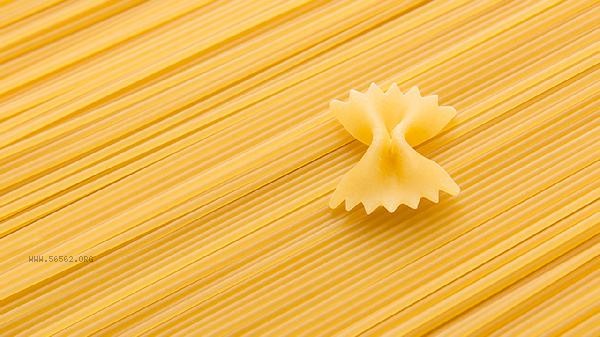
1. Control the softness and hardness of noodles
Boiled noodles should retain a certain degree of toughness and be too soft to break easily. When cooking, add the noodles after the water boils, and immediately remove the supercooled water when cooked to 80%. After draining, mix a small amount of cooking oil to prevent sticking. Before frying, the noodles can be spread out and cooled to allow the water to evaporate, making it easier to absorb the sauce. If the noodles have been completely cooked and softened, you can first dry the surface moisture in a flat bottomed pan over low heat before stir frying.
2. Pair with high fiber vegetables
Choose stir fried vegetables such as broccoli, carrots, bean sprouts, etc., cut them into shreds or slices, and stir fry until half cooked. The dietary fiber in vegetables can absorb excess oil and balance the taste. Mushrooms such as shiitake mushrooms and shiitake mushrooms can enhance their freshness. It is recommended to stir fry them in advance to release their aroma. Green leafy vegetables should be placed last to avoid water affecting their taste.
3. Use a high-temperature stir fry
iron pot to heat until smoking, then pour in oil and stir fry garlic, ginger slices, and other seasonings until fragrant. After putting the noodles into the pot, keep the heat high and quickly stir the spoon to ensure even heating. High temperature can create a smoky flavor, and the entire stir frying process should not exceed 3 minutes. When the electric furnace power is insufficient, it can be stir fried in small quantities in batches to avoid sudden temperature drops that may cause the noodles to absorb oil.
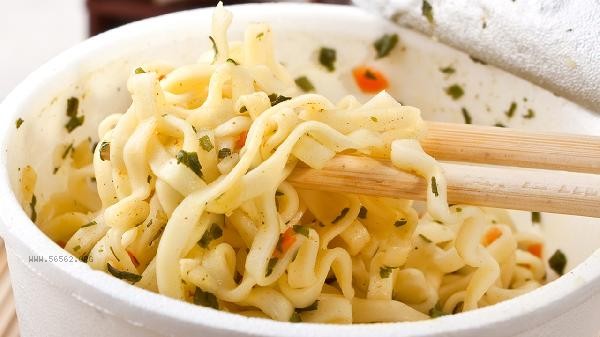
4. Add protein ingredients [SEP]. Break the eggs and stir fry them to shape, or fry them into Egg cakes and shred them for standby. Marinate chicken breast, shrimp, etc. with starch in advance, stir fry until color changes. Soy products such as dried tofu and tofu pudding can enhance the sense of layering. Meat and noodles should be stir fried separately and mixed to avoid water from affecting the pot atmosphere.
5. Flexible use of seasonings
Basic seasonings can be paired with light soy sauce and dark soy sauce, while sugar and vinegar can enhance freshness and relieve greasiness. Southeast Asian flavors can be served with fish sauce and lime juice, while Western flavors can be served with black pepper and cheese powder. Sauces such as Douban sauce and Shacha sauce need to be stir fried with oil first until fragrant. Drizzle sesame oil or Sichuan peppercorn oil before cooking to enhance the flavor level.
When stir frying noodles, you can first preprocess all the side dishes until they are 80% cooked, and then mix and stir fry them uniformly to save time. Using non stick pans can reduce oil consumption and meet the needs of a healthy diet. Overnight noodles are more prone to dry and fragrant texture due to starch aging, but it is important to keep them refrigerated for no more than 24 hours. During the frying process, a small amount of water can be added several times to prevent the pan from sticking. The finished product can be used with Hot and sour soup or cold cucumber salad to relieve the greasy. Pay attention to control the amount of oil and salt. People with hypertension are suggested to use olive oil instead of animal oil. diabetes patients can increase the proportion of vegetables and reduce the amount of noodles.








Comments (0)
Leave a Comment
No comments yet
Be the first to share your thoughts!