
Nourishing Qi and Blood Chicken Soup can achieve a delicious and nutritious effect by combining traditional Chinese medicine and adjusting the stewing method. Commonly used ingredients include Angelica sinensis, Goji berries, red dates, Astragalus membranaceus, Codonopsis pilosula, etc. When stewing, it is important to pay attention to key steps such as controlling the heat, handling ingredients, removing fishy odors, timing seasoning, and preserving nutrients.
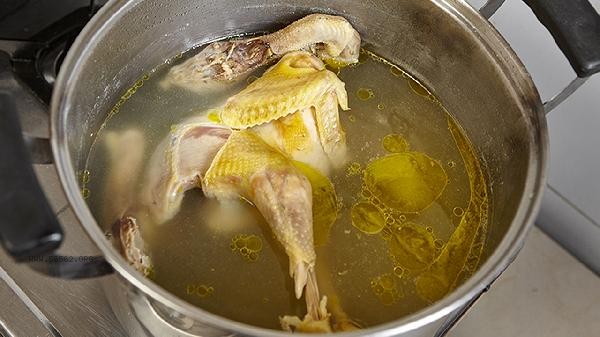
1. Angelica sinensis
Angelica sinensis is a classic medicinal herb that nourishes blood and promotes blood circulation. It contains active ingredients such as ferulic acid, which can promote blood circulation. Selecting whole sliced Angelica sinensis and stewing it with chicken can reduce the rapid leakage of medicinal flavor. Suggest adding it in the last 30 minutes of stewing to avoid bitterness caused by prolonged cooking. People with dry and hot constitution should reduce the dosage, and pregnant women should consult a traditional Chinese medicine practitioner before use.
2. Goji berries
Goji berries are rich in goji polysaccharides and betaine, which have liver nourishing and eye improving effects. When stewing soup, it is recommended to use dried goji berries and add them 10 minutes before turning off the heat to maintain their complete form. The daily consumption should be controlled within 15 grams to avoid excessive intake that may cause internal heat. For patients with diabetes, reduce the dosage, and match with chrysanthemum to balance the temperature.
3. Red dates
Red dates contain blood nourishing substances such as cyclic adenosine monophosphate. It is recommended to choose Xinjiang gray dates with thick flesh. Before stewing, it is necessary to remove the core to avoid bitterness, and when cooked together with chicken, it can fully release the sweetness. People with damp heat constitution can use Poria cocos to reduce the feeling of greasiness, and patients with chronic gastritis should control their consumption.
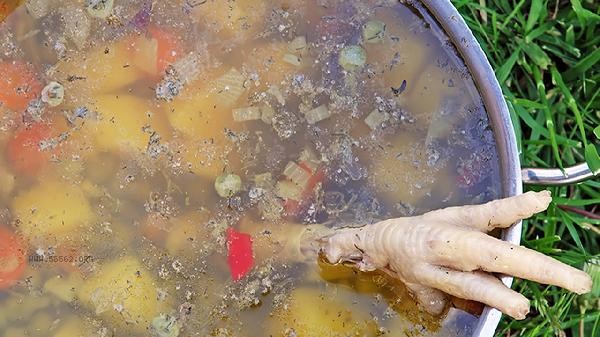
4. Huangqi
Huangqi has a significant effect on replenishing qi and is suitable for pairing with black chicken. Soaking in clean water for 1 hour before stewing is beneficial for the dissolution of saponin components. People with yin deficiency and excessive fire should use it with caution as it may cause dry mouth symptoms. It is recommended to consume it no more than 3 times a week, and it can be combined with Ophiopogon japonicus to enhance its medicinal properties.
V. Codonopsis pilosula
Codonopsis pilosula has the characteristic of tonifying qi and blood, and is suitable for long-term regulation. Choosing thicker striped Codonopsis pilosula has a better effect, and soaking it in rice wine before stewing can enhance its efficacy. The dosage for children should be halved, and consumption should be suspended during periods of cold and fever. Stewing with yam can enhance the spleen strengthening effect.
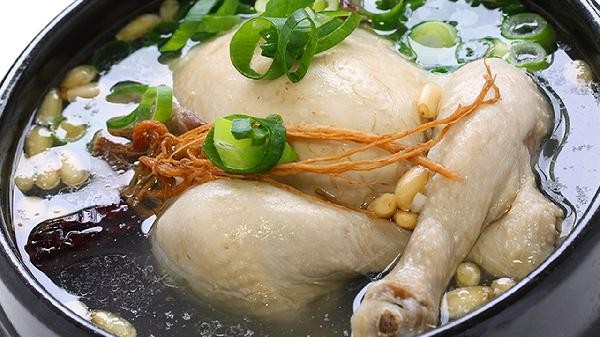
When stewing, it is recommended to choose old hens or black bone chickens. Blanching them in cold water can better extract nutrients. Bring to a boil over high heat and simmer over low heat for 2 hours. Salt should be added in the last 10 minutes. It can be paired with seasonal vegetables to increase dietary fiber and avoid eating radish together, which may affect the effect of replenishing qi. It is recommended to drink 2-3 times a week, and for those with damp and hot constitution, a small amount of Job's tears can be added. If hot and dry symptoms appear after drinking, it can be balanced with Broth of white fungus. Patients with special constitutions and chronic diseases are recommended to adjust the formula under the guidance of traditional Chinese medicine.








Comments (0)
Leave a Comment
No comments yet
Be the first to share your thoughts!