
Stewed chicken should be soft, tender, and flavorful, and the key lies in the selection of ingredients, pre-treatment, and control of heat. Delicious stewed chicken usually needs to be paired with ingredients that remove fishy smell and enhance flavor. It is cooked first and then stewed to lock in the meat juice, and slowly stewed over low heat to make the meat soft.
1. Material selection and treatment
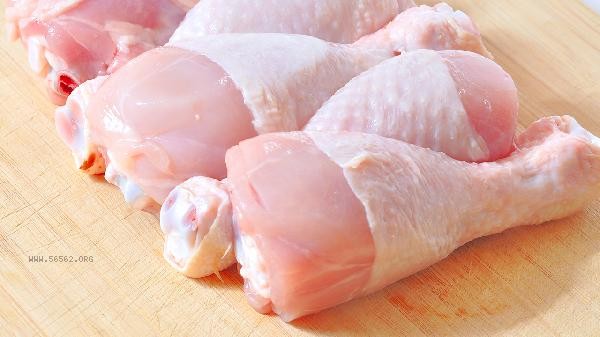
Choose the leg meat, wing roots, and other parts of free range chickens or three yellow chickens, which have a firmer and more durable meat texture that can withstand stewing. Fresh chicken should be washed with running water and soaked for half an hour. A little white vinegar can be added to the water to help remove the fishy smell. Frozen chicken should be refrigerated and thawed 12 hours in advance to avoid nutrient loss caused by direct soaking in water. It is recommended to keep some of the yellow fat layer under the chicken skin, which can enhance the aroma when stewed.
2. Fry and lock fresh
Stir fry the drained chicken pieces over medium heat until the surface turns slightly yellow, remove the subcutaneous oil, and pour out the remaining oil. Add ginger slices, scallions, star anise and other spices to stir fry until fragrant, then pour in cooking wine and stir fry to remove the fishy smell. This step can form a charred layer on the surface of the chicken, making it less likely for the meat juice to be lost during subsequent stewing and making the soup more mellow in color.
3. Add water in batches
The first addition of water should be hot water and not exceed the meat surface. After boiling over high heat, skim off the foam. Reduce the heat and simmer for 30 minutes, then add a second amount of water. At this time, you can add stewed side dishes such as shiitake mushrooms and dried bamboo shoots. Adding water in batches can prevent sudden temperature drops from causing meat shrinkage and maintain stable soup flavor and concentration.
4. Seasoning timing
Salt should be added in the last 10 minutes of stewing. Adding salt too early can cause protein to solidify and affect the crispness. Soy sauce seasonings should be added during the frying and stir frying stage to enhance the flavor, or added during the stewing process. Sugar seasoning should be added during the juice harvesting stage to form a glossy coating.
5. Heat control
Turn down the heat immediately after boiling to keep the Noodles in soup slightly fluctuating. It is better to use casserole or enamel pot for heat preservation. When chopsticks can easily penetrate the joints of chicken legs, turn off the heat and let the remaining heat simmer for 20 minutes to soften the meat. Stewed chicken that has been refrigerated overnight and reheated has a more complete fusion of flavor compounds. Stewed chicken can be paired with rice, noodles, or used as a base for hot pot. After filtering and refrigerating the remaining chicken soup, it will form a natural meat jelly, which can be used as a broth. It is recommended to consume no more than 500 grams of poultry meat per week. hypertensive patients should reduce their soy sauce consumption and avoid drinking thick meat soup during gout attacks. When cooking, you can add more vegetables such as onions and carrots to balance nutrition. Using mushrooms such as tea tree mushrooms and bamboo mushrooms can enhance freshness and reduce salt dependence.








Comments (0)
Leave a Comment
No comments yet
Be the first to share your thoughts!