
Beef stewed until soft and tender can be seasoned with star anise, cinnamon, bay leaves, light soy sauce, dark soy sauce, and other seasonings, paired with hawthorn or tea to help soften the meat. The key to stewing beef lies in the selection of ingredients, heat and seasoning combination, and through slow stewing, the fiber is fully decomposed.
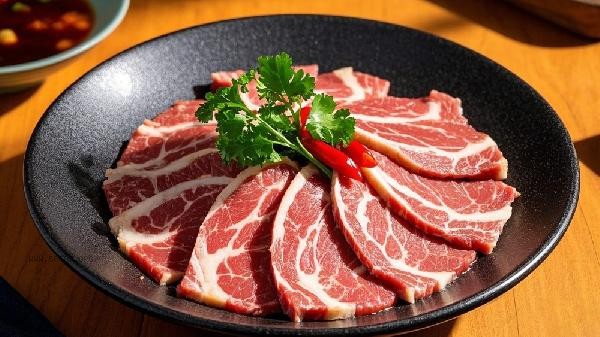
1. Material selection and treatment
Choose beef brisket or beef ribs with tendons to make the meat easier to stew. Cut the beef into pieces in advance and soak it in cold water for 1 hour to remove blood. When blanching, add ginger slices and cooking wine to remove the fishy smell. After blanching, rinse with warm water to prevent the meat from contracting and hardening when it cools.
2. Seasoning Matching
Basic seasonings should include scallions, ginger, garlic, and garlic for a burst aroma, star anise and cinnamon for added flavor, and light soy sauce and dark soy sauce for color matching. Adding 1-2 slices of hawthorn or a small handful of black tea can break down coarse fibers and make the meat more crispy and tender. Sugar or rock sugar can enhance color and freshness, but the amount should be controlled to avoid excessive sweetness.
III. Fire Control
After boiling on high heat, reduce the heat and simmer slowly for more than 2 hours. Use a clay pot or cast iron pot for better insulation. Pressure cookers can shorten the time to 40 minutes, but the flavor is slightly inferior. Avoid opening the lid frequently during stewing, and add hot water instead of cold water when there is insufficient moisture.
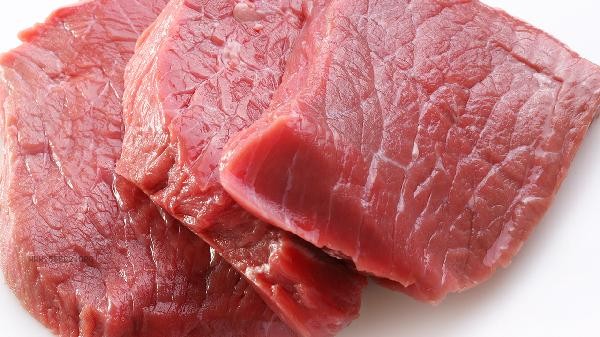
4. Side dish selection
Root vegetables such as potatoes and carrots should be added in the last 30 minutes to prevent overcooking. White radish needs to be blanched in advance to remove bitterness, while tomatoes can increase the acidity and sweetness of the soup. Mushroom ingredients can enhance freshness but should not be cooked for too long.
Fifth, Juice Collection Techniques
After stewing, turn to high heat to collect the thick soup, and at this time, salt can be added for seasoning. If you pursue a softer and more tender taste, you can turn off the heat and simmer for 30 minutes, using the remaining temperature to continue softening. When there is too much soup, a portion can be scooped out for cooking noodles or mixing rice.
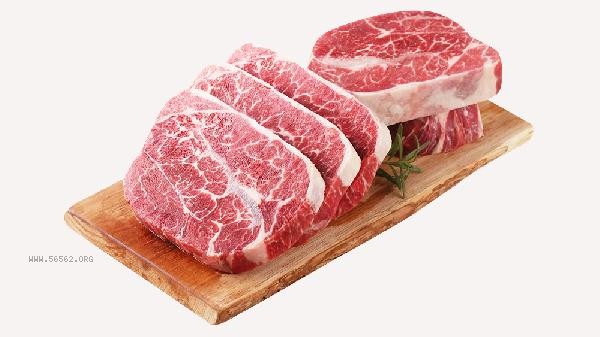
After stewing beef, it is recommended to have a balanced diet with green leafy vegetables, such as stir fried spinach or cold broccoli. The weekly intake of red meat should not exceed 500 grams, and hypertensive patients should reduce their soy sauce consumption. The remaining stewed meat can be packaged and frozen for storage. When reheating, add a small amount of water to prevent dryness. People with allergies should be cautious when using spices, and those with gastrointestinal allergies should avoid consuming greasy stew on an empty stomach.








Comments (0)
Leave a Comment
No comments yet
Be the first to share your thoughts!