
The key to the easy softening and rotting of beef stew lies in the selection of ingredients, pretreatment, and control of heat. There are mainly methods such as selecting suitable parts for stewing, soaking or marinating in advance, controlling the heat and time, adding acidic substances or proteases, and using a pressure cooker.
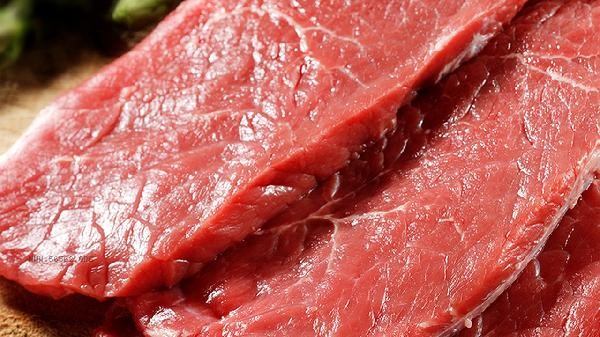
1. Choose suitable parts for stewing
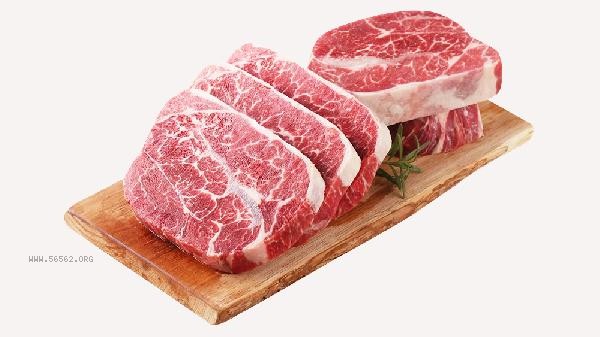
Parts with more connective tissue such as beef brisket, beef ribs, and beef tendons are more suitable for stewing. These parts contain abundant collagen, which will be converted into gelatin after long-term stewing, making the meat soft and tender and the soup thick. Avoid choosing pure lean meat such as beef tenderloin, as prolonged stewing can easily turn into wood.
2. Pre soaking or marinating
Cut beef into pieces and soak them in cold water for 1-2 hours to remove blood and reduce fishy smell. Marinating with a small amount of baking soda or papaya juice for 30 minutes can damage muscle fibers, but the amount should be controlled to avoid affecting the taste. Salting can accelerate water loss, it is recommended to season before stewing.
3. Control the heat and time
Boil in cold water over high heat, skim off the foam, turn to low heat to maintain a slight boiling state, and simmer for 2-3 hours. Continuous boiling can cause meat to tighten, while slow simmering over low heat can fully dissolve collagen. Using a clay pot or cast iron pot can better maintain a constant temperature and avoid sudden temperature changes that affect the taste.
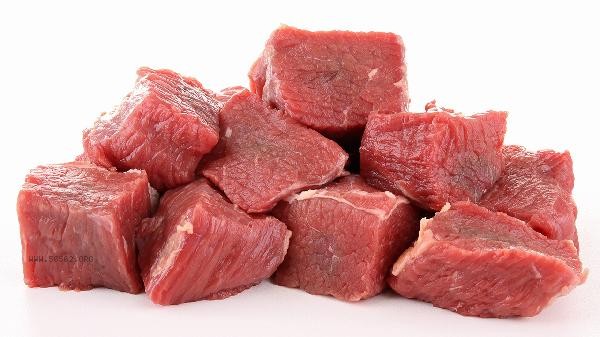
4. Adding acidic substances or proteases
When stewing, adding hawthorn, vinegar, or tomatoes can soften the meat, and acidic environments can decompose muscle fibers. Pineapple and kiwifruit contain natural protease, but it needs to be added in the later stage of stewing to avoid excessive decomposition. The tannins in red wine also help to soften and are suitable for pairing with beef brisket.
5. Use a pressure cooker
to accelerate the stewing process by increasing the boiling point. It takes 20-30 minutes to achieve the effect of a regular pot for 2 hours. Water is not easily evaporated in high-pressure environments, resulting in fresher and more tender meat. Pay attention to exhaust and open the lid to collect the juice, which can make the soup richer. When stewing beef, it can be paired with root vegetables such as carrots and white radishes to enhance the flavor, but it should be done later than when the beef is cooked. The finished beef will be more flavorful when refrigerated overnight, and the broth will appear gelatinous when reheated. Daily recommendation is to choose grass fed beef, which has finer muscle fibers and evenly distributed fat, making it easier to stew than grain fed beef. Avoid frequent opening of the lid for inspection, as temperature changes can cause the meat to shrink back. If you pursue ultimate softness, you can try the staged stewing method: first stew for 1 hour, then turn off the heat and simmer for 30 minutes, and then open the fire and simmer for 30 minutes.








Comments (0)
Leave a Comment
No comments yet
Be the first to share your thoughts!