
The key to steaming white rice lies in the appropriate ratio of rice to water, sufficient soaking, and proper control of heat. There are mainly five key points: rice selection, rice washing, soaking, water quantity, and stewing.
I. Selecting Rice
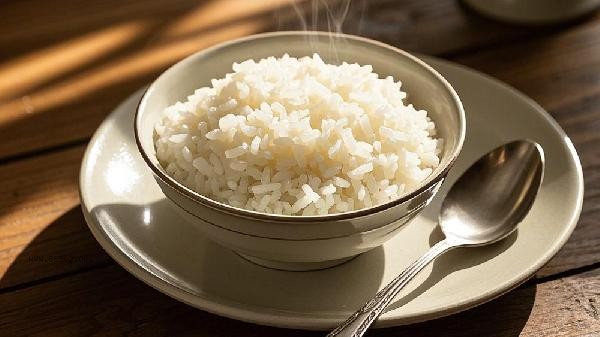
Choose fresh and plump japonica or indica rice. Japonica rice has moderate viscosity and is suitable for daily consumption, while indica rice has clear grains and is suitable for Fried Rice. Aged rice is prone to yellowing and has a rough texture, while new rice has a natural luster and high starch content. When purchasing, pay attention to the packaging being intact and free from insect damage, and avoid choosing products with high breakage rates.
2. When washing rice [SEP], gently stir with cold water 2-3 times. Excessive scrubbing will result in loss of surface nutrients. When the water quality is turbid, the washing frequency can be increased, but should not exceed 5 times. A slight milky white color is preferred for rice washing water, while complete clarity indicates excessive nutrient loss. Finally, drain the water and let it stand for later use.
3. Soaking
Soak for 20 minutes in summer and extend to 30 minutes in winter to allow the rice grains to fully absorb water and expand. It is advisable to soak at room temperature, as hot water can cause the outer layer to gelatinize. The water level should just be below the rice surface, too much water will dilute the rice fragrance. The easy breakage of rice grains after soaking indicates sufficient water absorption.
4. Water Quantity
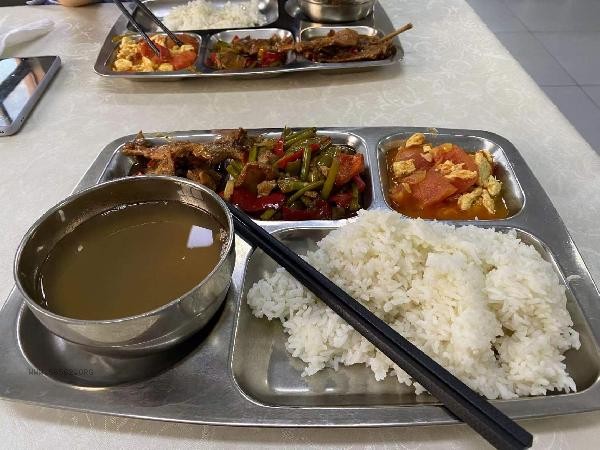
The ratio of rice to water for a regular rice cooker is 1:1.2, for a pressure cooker it is 1:1.1, and for separated steaming it is 1:1.3. New rice can reduce water content by 5%, while old rice needs to increase by 5%. Water measurement can be done using the finger joint method: the water surface is one finger joint higher than the rice surface. Northeast rice has strong water absorption, so it is recommended to add more water appropriately, while southern indica rice needs to strictly control the amount of water.
5. Stewing
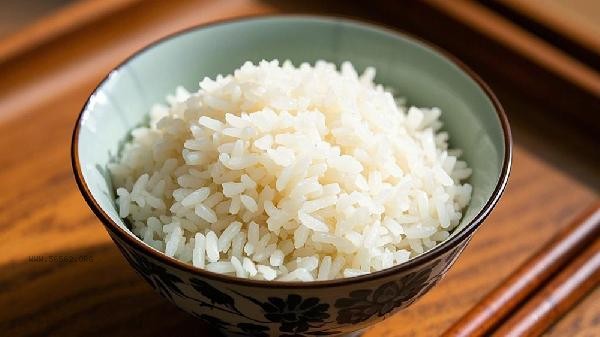
After steaming, continue to simmer for 10-15 minutes and use the remaining temperature to evenly distribute the moisture. Before opening the lid, use a rice spoon to loosen the rice along the edge of the pot to promote the release of excess steam. Avoid frequent opening of the lid during stewing, as sudden temperature drops can cause the surface to harden. Using a bamboo steamer can make the bottom rice softer. Steamed rice should have clear and shiny grains, and moderate elasticity when chewed. It can be paired with miscellaneous grains such as millet and quinoa to increase nutrition in daily life, but it is necessary to soak and adjust the water volume in advance. Overnight rice needs to be refrigerated for storage, and when reheating, sprinkle a small amount of water to restore its taste. It is advisable to control the single consumption amount to 150-200 grams, and pair it with sufficient vegetables and protein foods to ensure nutritional balance. For those with weak gastrointestinal function, the soaking time can be appropriately extended to make the rice softer and more tender.








Comments (0)
Leave a Comment
No comments yet
Be the first to share your thoughts!