
Steaming delicious and fragrant rice requires key steps such as controlling the ratio of rice to water, soaking time, and heat. There are mainly methods such as selecting high-quality rice, fully soaking, precise water control, controlling the heat, and cooking the rice.
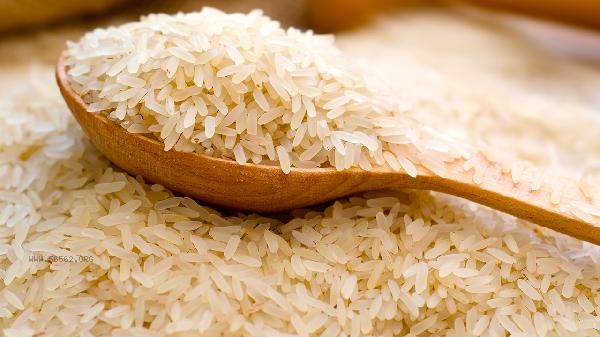
1. Choose high-quality rice
Choosing fresh and plump high-quality rice is the foundation. Japonica rice has moderate viscosity and is suitable for daily steaming, while brown rice retains more nutrients from the embryo but requires extended soaking time. Avoid using varieties with high rates of aged or broken rice, as these types of rice are prone to yellowing and lack aroma. When purchasing, pay attention to whether the rice grains are intact and even, and have a natural and fragrant smell.
2. Fully Soak
The washed rice should be soaked in clean water for 20-30 minutes to allow the rice grains to absorb water and expand. When the winter water temperature is low, it can be extended to 40 minutes, but it should not exceed 1 hour to prevent the rice grains from becoming too soft. Soaking can make starch gelatinization more uniform, and the steamed rice has a softer texture. If using an electric rice cooker, you can directly use rice water to cook and retain water-soluble vitamins.
3. Precise water control
The volume ratio of rice to water should be 1:1.2-1.5, and the high water content of new rice can reduce water volume. Place your palm flat on the rice surface, with the water level about 1 centimeter below your back as the reference standard. Northeast rice has strong water absorption and requires an additional 10% water content, while Thai fragrant rice needs to reduce water content to maintain clear particles. During the steaming process, avoid adding water midway to affect the taste.
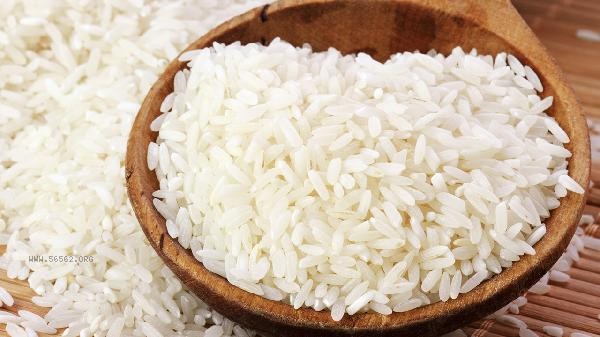
4. Control the heat
Traditional steamers require boiling on high heat and then turning to medium heat to maintain for 15 minutes, followed by simmering on low heat for 5 minutes. Select the standard cooking mode for the rice cooker, and models with precision cooking function can provide more even heating. During the steaming process, keep the lid tightly sealed to avoid steam leakage that could cause the rice to be undercooked. In high-altitude areas, it is necessary to extend the cooking time and increase the amount of water.
5. Stewing Rice Step
After turning off the heat, continue to simmer for 10-15 minutes to allow the residual temperature to penetrate the rice core and make the rice sweet and fragrant. Gently flip the rice from the bottom with a rice spoon to help excess water vapor evaporate. A clean towel can be placed under the pot lid to absorb condensed water and prevent dripping from causing the surface to become too wet. When cooking rice, keep the pot still. Sudden movement can affect the texture of the rice. Steamed rice should be consumed as soon as possible and stored with a damp cloth to prevent it from drying out. Overnight rice should be sealed and refrigerated, and a small amount of boiling water should be sprinkled when reheating to restore its taste. When steaming with mixed grains, beans can be soaked in advance and placed in layers with rice to avoid uneven hardness. Attention should be paid to diabetes patients to control the amount of food they take for a single time. For those with weak gastrointestinal function, it is recommended to cook the rice a little softer. You can try using a bamboo steamer or clay pot to enhance the flavor of rice in daily life, but adjust the heat and time accordingly.








Comments (0)
Leave a Comment
No comments yet
Be the first to share your thoughts!