
Steaming white and shiny rice in restaurants usually requires controlling the water quality, rice water ratio, soaking time, and steaming techniques. There are mainly methods such as selecting high-quality rice, thorough washing, controlling water volume, appropriate soaking, and precise heating.
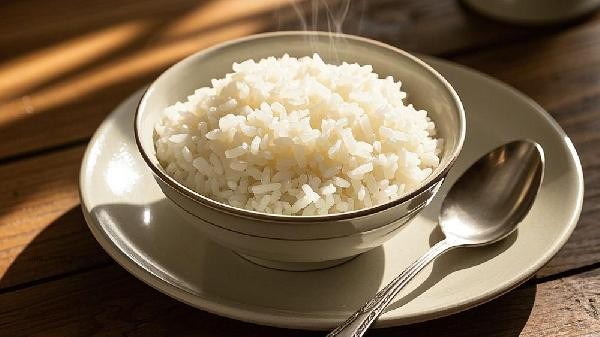
1. Choose high-quality rice.
Long grain fragrant rice or Northeastern rice are more suitable for steaming. These types of rice have moderate starch content, full grains, and good transparency after steaming. Avoid using aged or broken rice, as aged rice is prone to yellowing and broken rice can cause rice to stick together. Fresh rice has a natural luster on the surface and feels dry without any dampness when grasped.
2. Thoroughly wash
Wash 3-4 times until the water becomes clear, which can remove surface starch and impurities. After the first quick rinse, immediately pour out the muddy water, and then gently scrub using the circular drawing technique. Excessive scrubbing can damage the surface nutrients of rice grains, but insufficient cleaning can cause rice to become sticky. Finally, drain the rice for 15 minutes to allow the surface moisture to evaporate.
3. Control water volume
The optimal ratio of rice to water is 1:1.2, which can be measured using the finger joint method: after spreading the rice grains flat, add water until the water surface exceeds the height of one finger joint above the rice surface. Japonica rice needs to reduce its water content, while indica rice can have slightly more. Use filtered water or mineral water to reduce the impact of scale and avoid using tap water with high hardness.
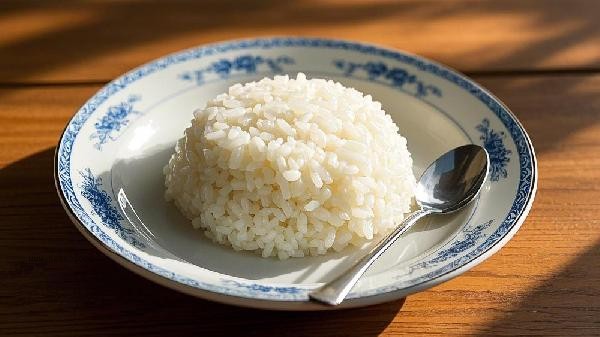
4. Proper soaking
Soak for 20 minutes in summer and extend to 40 minutes in winter to allow the rice grains to fully absorb water and expand. It is recommended to use a metal basin with fast thermal conductivity for soaking containers, and to maintain a water temperature of around 30 ℃ for better results. After soaking, the rice grains appear semi transparent and the nails can be easily pinched off, indicating sufficient water absorption.
5. Precise heat
Boil on high heat, then reduce to low heat and steam slowly for 15 minutes. Turn off the heat and let it simmer for 5 minutes. The sealing of the steamer should be good, and a damp cloth can be wrapped around the edge of the lid to prevent air leakage. Using a bamboo steamer can allow water vapor to permeate evenly, and it is strictly prohibited to open the lid during the steaming process.
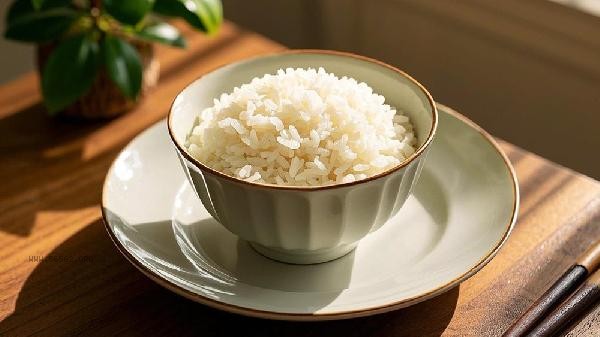
For daily steamed rice, you can try adding two drops of lemon juice or half a spoonful of cooking oil to the rice water to help keep the rice grains white and transparent. Steamed rice should be promptly loosened to dissipate heat and avoid the formation of moisture at the bottom, which can cause it to turn yellow. Cover with clean gauze during storage to prevent the surface from drying out, and refrigerate the remaining rice for no more than 24 hours. Choosing seasonal new rice and paying attention to a dry and ventilated storage environment can fundamentally ensure the quality of rice.








Comments (0)
Leave a Comment
No comments yet
Be the first to share your thoughts!