
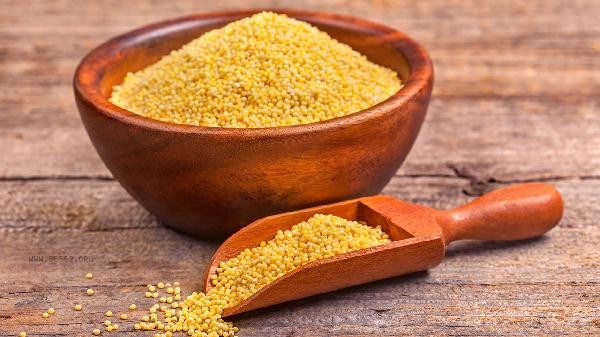
Separation of millet and sand particles can be achieved through methods such as sieve filtration, wind lifting, and water washing sedimentation. The differences in physical properties between millet and sand grains are mainly reflected in particle size, density, and suspension. Reasonable utilization of these characteristics can achieve efficient separation.
1. Sieve filtration
Selecting a sieve with moderate pore size is the basic method for separating millet and sand particles. The diameter of millet particles is usually 1 to 2 millimeters, while the diameter of sand particles is often less than 0.5 millimeters. After pouring the mixture into the sieve and shaking it slightly, the millet will remain in the upper layer of the sieve, while the sand particles will fall through the mesh holes. This method is suitable for rapid separation in dry environments, but it should be noted that a sieve aperture that is too large will reduce the separation effect, while a sieve aperture that is too small may miss small rice particles.
2. Wind Farm
Separation can be achieved through density differences using natural or artificial wind power. Slowly pour the mixture from a high place, and the lighter millet will be blown to a farther position, while the heavier sand particles will fall closer. Traditional agricultural tools such as a hoist and dustpan can generate airflow by bouncing up and down, while modern ones can also use electric fans for assistance. This method requires high operational skills and requires control of wind speed and tilt angle to avoid Xiaomi scattering.
3. Water washing precipitation
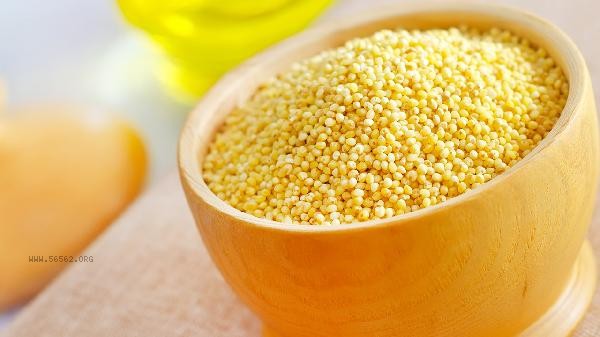
The water washing method utilizes the difference in suspension between the two for separation. Put the mixture into a container and add water to stir. If the sand particle density is high, it will quickly sink, while the millet will float or slowly sink. Pouring the upper suspension can separate most of the millet, and repeated operations can improve purity. Attention should be paid to the possibility of nutrient loss in millet due to high water temperature. After cleaning, it should be promptly dried to prevent mold growth.
4. Slope Rolling
Spread the mixture on a tilted wooden or metal plate, gently tap the slope to make the millet roll downwards due to its regular shape, and the sand particles remain in place due to high friction. Adjusting the slope angle can control the separation efficiency, and a tilt angle of 15 to 30 degrees is more effective. This method is effective for mixtures with significant differences in particle shape, but excessive force should be avoided to prevent mixing.
5. Optoelectronic Sorting
Professional equipment can achieve automated separation through color and reflectivity differences. Xiaomi is yellow white in color, while the sand particles are mostly gray brown. After being recognized by a high-speed camera, it uses airflow to classify. This method has high accuracy but requires specialized instruments, making it suitable for large-scale processing scenarios. For home use, you can try manually picking in bright light and use color differences to assist in recognition.
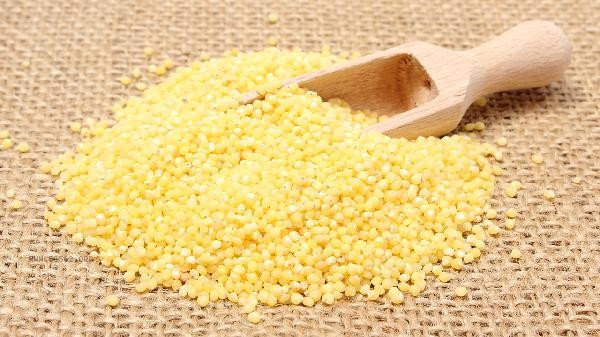
It is recommended to prioritize the combination of sieving and washing when dealing with millet in daily life, which can ensure efficiency and reduce nutrient loss. The separated sand particles may contain heavy metals and other pollutants, and it is not recommended to reuse them. Before storing millet, it should be ensured that it is completely dry and placed in a cool and ventilated place to extend its shelf life. If mold or odor is found, it should be discarded immediately to avoid contamination with aflatoxin. Regularly checking the quality of grains and consuming them in combination with miscellaneous grains can increase dietary fiber intake.








Comments (0)
Leave a Comment
No comments yet
Be the first to share your thoughts!