
Raw kiwifruit can be quickly softened by sealed storage with apples and bananas, burying rice, and high-temperature ripening. The ripening principle mainly relies on the release of ethylene gas, which should be avoided from direct sunlight or stored in refrigeration.
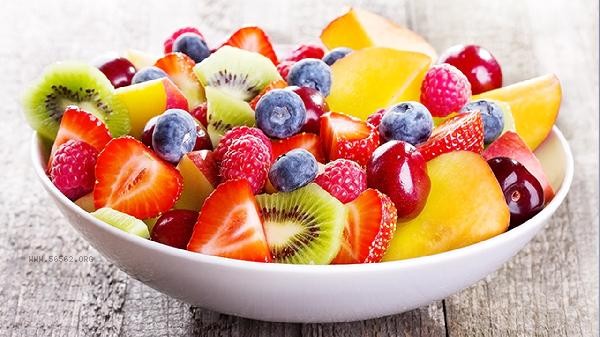
1. Fruit sealing method
Place raw kiwifruit, apples, bananas and other fruits in a sealed bag and let it sit at room temperature for two to three days to ripen. Apples and bananas naturally release a large amount of ethylene gas, a plant hormone that can accelerate the conversion of kiwi starch into sugar. It is recommended to check the softness and hardness of the fruit daily to prevent excessive ripening and decay. If excessive moisture is found inside the bag, it is necessary to replace the fresh-keeping bag in a timely manner to keep it dry.
2. Grain Burial Method
Completely cover the kiwifruit with rice or millet, and store it in a cool place for about three days to complete ripening. Grains can absorb surface moisture from fruits and accumulate ethylene gas, forming a closed ripening environment. This method is suitable for batch processing of unripe kiwifruit, and attention should be paid to daily flipping inspection to remove softened fruits and avoid crushing.
3. High temperature catalytic method
Placing kiwifruit in a warm environment of around 40 degrees Celsius, such as the top of a router or the residual temperature zone of an oven, can significantly soften within 24 hours. An increase in temperature can promote fruit respiration, but exceeding 50 degrees may lead to cell damage. It is recommended to wrap the fruit in kitchen paper and flip it regularly to prevent uneven heating in certain areas.
4. Toothpick Piercing Method
Using a toothpick to pierce several shallow holes at both ends of kiwifruit and seal it for storage can shorten the ripening time. Tiny wounds can stimulate ethylene secretion, but deeper than 3 millimeters can easily cause mold growth. This method requires wrapping with plastic wrap and prioritizing the consumption of processed fruits.
5. Alcohol assisted method
cotton swab dipped with a small amount of Baijiu to wipe the surface of kiwi fruit, put it into a paper bag and leave it for two days for consumption. Alcohol can damage the wax layer of the fruit peel and promote gas exchange, but excessive concentration can damage the flesh. It is recommended to choose alcoholic beverages with an alcohol content below 50 degrees, and promptly clean any remaining fruit peels after processing. After ripening, kiwifruit should be refrigerated and consumed as soon as possible, with a recommended daily intake of less than 200 grams. Immature kiwi fruit contains a lot of protease, which is easy to stimulate the mouth. diabetes patients should choose hard fruit to reduce the glycemic index. When purchasing, you can choose kiwifruit with a full body shape and fresh green fruit stems. The natural ripening flavor is better in a room temperature and ventilated environment. If it still becomes hard and astringent after one week of ripening, it may be due to premature harvesting or prolonged storage in a cold storage, and it is not recommended to continue eating.









Comments (0)
Leave a Comment
No comments yet
Be the first to share your thoughts!