
Removing the flavor of radish can be achieved through methods such as blanching, sugar pickling, pairing with heavy flavored ingredients, changing cooking methods, and using acidic seasonings. The special taste of radish mainly comes from sulfides and volatile substances, and proper treatment can effectively reduce the odor.
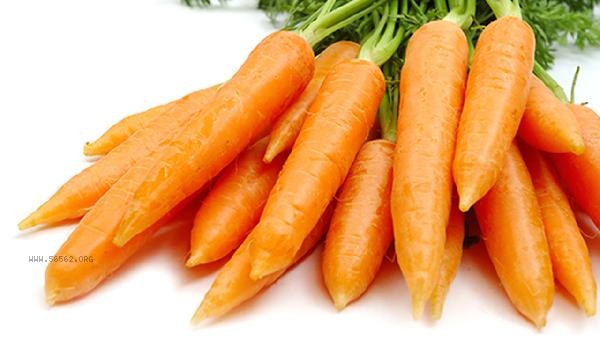
1. Blanching treatment
Cut the radish into pieces and blanch it in boiling water for 1-2 minutes. Sulfides will evaporate with steam. Putting cold water in the pot can easily lead to residual flavors. It is recommended to boil the water before putting it into the pot. After blanching white radish, it is suitable for cold mixing or stewing soup. The blanching time for red radish should be shortened to 30 seconds to prevent fading.
2. Removing flavor from sugar stains
Marinate radish slices with white sugar or honey for 20 minutes, as the sugar will penetrate the cells and neutralize irritating ingredients. Carrots soaked in sugar are more suitable for making kimchi or salad. This method has a more significant effect on carrots and can retain more nutrients.
3. When stir fried with strong smelling ingredients such as onions, garlic, ginger, etc.,
can mask the smell of radish. Adding radish to stew meat can enhance its aroma, and lamb stewed with radish is a classic pairing. Cooking seafood ingredients together with radish can produce a synergistic effect of freshness and flavor.
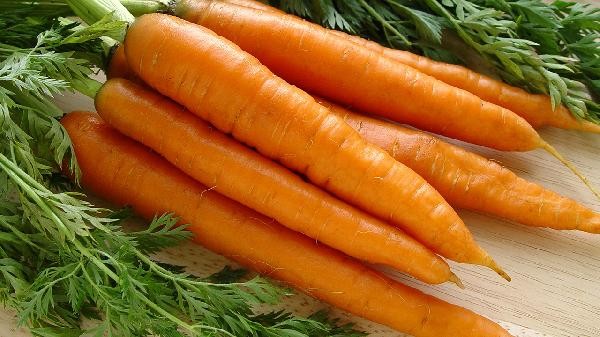
4. Changing Cooking
High temperature fast frying produces less sulfide than slow stewing, and oven baking can convert odorous substances into a burnt flavor. Making dried radish can completely decompose volatile components, while frying radish balls can generate new aromas through the Maillard reaction.
5. Acidic blending
The acidic components of lemon juice, vinegar, or tomato sauce can decompose substances such as methyl mercaptan. Adding rice vinegar during cold mixing yields the best results, while lactic acid bacteria fermentation during pickling of kimchi produces a natural sour taste. Sour and spicy shredded radish is a typical application case.

It is recommended to choose fresh and plump varieties of radish for daily consumption. Carrots have a milder taste in winter. Before cooking, it is recommended to cut open the pot to allow some sulfides to evaporate. Those with sensitive gastrointestinal tract should control their intake. Combining radish with ingredients rich in vitamin C can improve taste and promote nutrient absorption, such as adding red dates or goji berries to radish and pork rib soup. Different varieties of radish have significant differences in flavor. White radish is suitable for stewing, while cherry radish is suitable for raw consumption. The processing method can be chosen according to personal taste.








Comments (0)
Leave a Comment
No comments yet
Be the first to share your thoughts!