
Rapid weight loss in the abdomen is mainly achieved through dietary adjustments, moderate exercise, behavioral interventions, etc. It is important to avoid excessive dieting or short-term extreme methods.
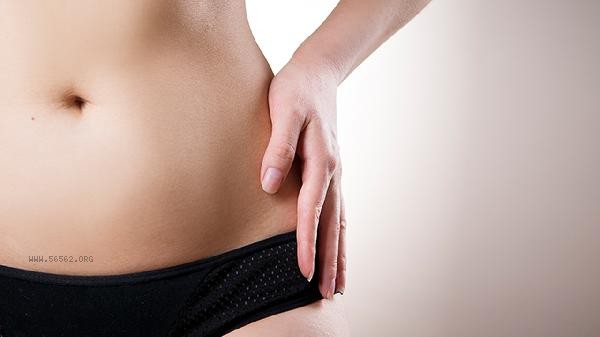
1. Dietary Adjustment
Reducing refined carbohydrates and saturated fat intake, increasing dietary fiber and high-quality protein intake can help reduce abdominal fat accumulation. High calorie processed foods can be replaced with foods such as broccoli, oats, and chicken breast. Daily calorie intake should be slightly lower than consumption, but should not be lower than basal metabolic needs. It is recommended to control the eating speed and avoid overeating.
2. Aerobic Exercise
Engage in 4-5 sessions of moderate to high-intensity aerobic exercise per week, such as brisk walking, swimming, or cycling, for 30-45 minutes each time. Aerobic exercise can effectively activate lipase to break down visceral fat and improve abdominal blood circulation. The appropriate exercise intensity is to maintain a heart rate of 60% -70% of the maximum heart rate, which should be gradually adjusted according to individual physical abilities.
3. Core training
Targeted training such as flat support and supine abdominal roll can enhance abdominal muscle mass. Muscle tissue has a high metabolic rate, and regular core training can shape abdominal lines while reducing fat. Repeat each movement 10-15 times, 2-3 sets per day, paying attention to maintaining the correct posture to avoid compensatory force from the waist.

4. Stress Management
Long term stress can lead to an increase in cortisol levels, promoting the distribution of fat to the abdominal area. Stress response can be regulated through meditation, deep breathing, or mindfulness training. Ensure 7-8 hours of high-quality sleep per day, as insufficient sleep can affect the balance of leptin and ghrelin.
5. Water Supply
Drinking 1.5-2 liters of water per day can help maintain normal metabolic function, and drinking moderate amounts of water before meals can create a sense of fullness. Avoid consuming sugary drinks and alcohol, as alcohol inhibits fat oxidation and is preferentially metabolized, indirectly promoting fat storage. During the weight loss period, it is recommended to regularly measure changes in waist circumference rather than simply focusing on weight. It is recommended to control the weight loss rate within 0.5-1 kg per week. Rapid weight loss in the short term may lead to muscle loss and a decrease in basal metabolic rate. Dietary adjustments require long-term persistence, and if discomfort symptoms such as dizziness and fatigue occur, the plan should be adjusted in a timely manner. Maintaining a regular sleep schedule and a positive attitude are particularly important for sustained weight loss.








Comments (0)
Leave a Comment
No comments yet
Be the first to share your thoughts!