
Postpartum obesity can be reduced through postpartum exercise, breastfeeding, dietary regulation, psychological adjustment, abdominal belt shaping, and other methods. Postpartum obesity may be related to factors such as poor dietary structure, reduced activity, and hormonal changes.
1. Postpartum Exercise
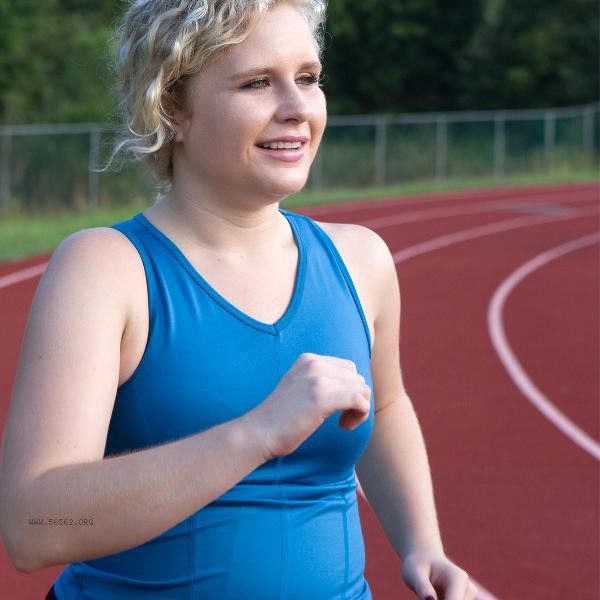
In the early postpartum period, Kegel exercises or abdominal breathing exercises can be performed under the guidance of a doctor to help restore pelvic floor muscle and rectus abdominis muscle function. After 6 weeks postpartum evaluation by a doctor, low-intensity aerobic exercises such as brisk walking and yoga can be chosen, and gradually increase the frequency of resistance training in the later stage. Before exercising during lactation, it is necessary to empty milk to avoid the risk of mastitis.
2. Breastfeeding
Breastfeeding can consume an additional 500 calories per day, and it is recommended to breastfeed for at least 6 months. During breastfeeding, it is necessary to maintain a daily water intake of at least 2000 milliliters, supplement high-quality proteins such as fish and lean meat, and avoid excessive dieting that may affect the quality of breast milk.
III. Dietary Regulation
Postpartum diet should adopt a three meal two-point pattern, control refined carbohydrates intake, and increase dietary fiber foods such as broccoli and oats. Cooking should be done using steaming and boiling methods, avoiding high-fat soups, and consuming healthy sources of fat such as chia seeds and avocados in moderation.
Fourth, Psychological Adjustment
Postpartum depression and anxiety may trigger emotional eating, which can be relieved through mindfulness meditation, psychological counseling, and other methods. Family members should actively share the responsibility of parenting, avoid metabolic disorders caused by fatigue in postpartum women, and establish a regular sleep schedule.
Five, Abdominal Belt Shaping
After 3 days of vaginal delivery or after the wound healing of cesarean section, medical grade abdominal belts can be used under the guidance of a doctor, and should be worn for no more than 8 hours per day. It is necessary to cooperate with abdominal breathing training to avoid long-term dependence leading to core muscle degeneration, and the use of waist cinching products is prohibited.
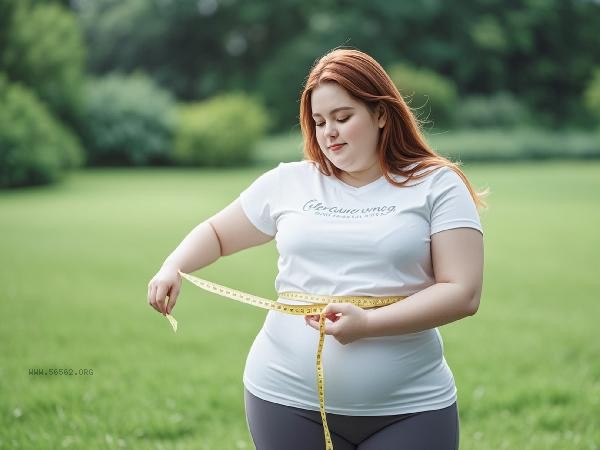
Postpartum weight loss is recommended to be controlled within 0.5 kilograms per week, and extreme diets such as ketogenic diets should not be adopted during lactation. Regular monitoring of body fat percentage is more valuable as a reference than body weight. If discomfort such as dizziness and decreased milk production occurs, it is necessary to adjust the plan in a timely manner. The first year after childbirth is the golden period for physical recovery, but priority should be given to ensuring the health of both mother and baby, and avoiding excessive pursuit of rapid weight loss that may affect physical function recovery.








Comments (0)
Leave a Comment
No comments yet
Be the first to share your thoughts!