
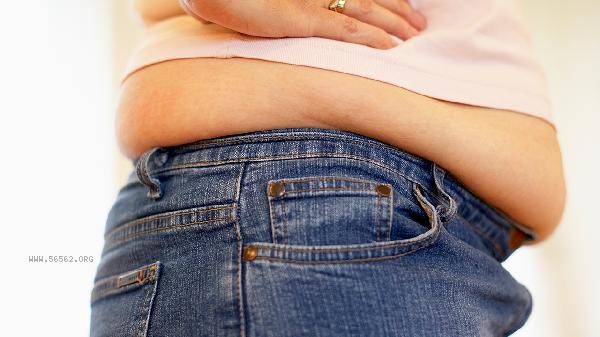
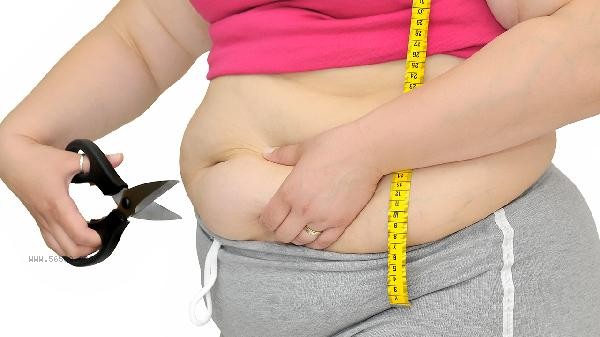
Liposuction is a method of removing subcutaneous fat through surgical intervention, and should be carefully selected based on individual health status and medical indications. The main evaluation factors include body mass index, fat distribution type, basal metabolic rate, skin elasticity, and risk of concurrent diseases. Liposuction is suitable for patients with locally stubborn fat accumulation and traditional weight loss methods are ineffective. The feasibility of the surgery needs to be evaluated by a plastic surgeon. Preoperative blood tests, electrocardiograms, and imaging evaluations should be completed to exclude coagulation dysfunction and cardiovascular disease risks. Postoperative complications such as hematoma, uneven skin, and sensory abnormalities may occur, and it is necessary to wear compression shapewear for several months to promote skin retraction. Non pathological obese individuals should prioritize weight loss through diet control and exercise. The number of human adipocytes remains relatively constant in adulthood. Although liposuction can reduce the number of adipocytes, residual adipocytes may still increase in volume. After surgery, it is still necessary to maintain a negative balance of calories to prevent compensatory accumulation of fat. In patients with metabolic diseases such as diabetes and hypertension, liposuction cannot improve the health risks caused by visceral fat accumulation. Minors, pregnant women, and severely obese patients are not suitable for liposuction surgery. It is crucial to choose reputable medical institutions and qualified physicians to avoid serious complications such as fat embolism and infection caused by illegal studio operations. After surgery, it is necessary to follow a balanced diet and regular exercise, supplement high-quality protein and vitamin C to promote wound healing, and avoid vigorous exercise for three months. Liposuction, as a form shaping method rather than a weight loss method, requires establishing reasonable expectations and fully communicating the surgical effect with doctors.









Comments (0)
Leave a Comment
No comments yet
Be the first to share your thoughts!