
Preventing rice from being infested with pests can be achieved through sealed storage, low-temperature storage, Sichuan pepper deworming, regular air drying, vacuum packaging, and other methods.
1. Sealed storage
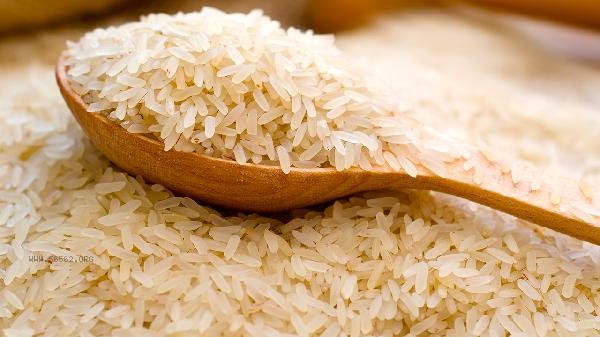
Put the rice into a food grade sealed container or thick plastic bag, vent the air, and tighten the bag mouth. Sealing can isolate oxygen and moisture, and destroy the living environment of pests such as rice elephants. It is recommended to choose storage tanks with silicone sealing rings and avoid using woven bags or cardboard boxes that are prone to moisture. After opening, the bagged rice can be transferred to a sealed box and promptly covered after each use.
2. Low temperature storage
Rice stored in the refrigerator compartment can effectively inhibit the hatching of insect eggs. When the temperature is below 15 ℃, the activity of rice weevil larvae stagnates, and below 4 ℃, pest infestation can be completely prevented. Before refrigeration, it is important to ensure that the rice is dry and wrap the container with plastic wrap to prevent cross contamination. This method is suitable for long-term storage of small packaged rice, but frequent use may lead to the accumulation of condensed water.
3. Sichuan pepper deworming
Dry Sichuan pepper wrapped in gauze is placed in a rice box, which contains volatile oil components that have a repellent effect on pests. Mix 20 grams of Sichuan peppercorns for every 5 kilograms of rice, and place them in different positions of the container for better results. Spices such as star anise and cinnamon can also be used as substitutes, but they need to be replaced once a month to maintain the odor concentration. This method is suitable for people who are sensitive to chemical insecticides.
4. Regular drying
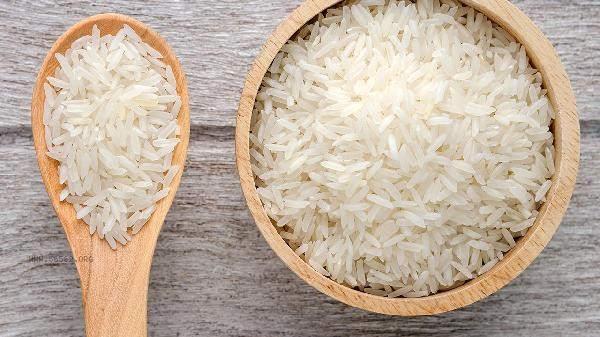
During the high temperature period in summer, spread out the rice and dry it for 1-2 hours. The ultraviolet rays in the sunlight can kill insect eggs. Place it in a dry and ventilated area, with a thickness not exceeding 3 centimeters, and flip it 2-3 times during the process. After drying, it should be thoroughly cooled before sealing to avoid condensation caused by residual temperature. Be careful not to operate in rainy and humid weather, as excessive exposure to sunlight may accelerate the loss of nutrients from rice.
5. Vacuum packaging
Use a household vacuum machine to package rice into small bags and vacuum them. Each bag should be consumed for one week. A vacuum environment can cause pests to suffocate and die, while delaying the oxidation of rice. It is recommended to use it in conjunction with a deoxidizer and pay special attention to checking the packaging for any air leaks. This method has a high cost but significant pest control effect, making it particularly suitable for humid areas in the south.
Daily storage of rice should also pay attention to controlling the environmental humidity below 60%, and avoid mixing with insect prone ingredients such as beans and nuts. When a small amount of rice worms are found, they can be frozen for 24 hours to kill the larvae. Rice that has become moldy and clumped should be discarded. It is recommended to choose new rice with vacuum packaging when purchasing, and to purchase in small quantities multiple times to reduce storage time. Regularly clean the corners of the rice box and wipe them with white vinegar to eliminate residual insect eggs. Combining the above methods can maximize the freshness of rice, reduce nutrient loss and pest risk.








Comments (0)
Leave a Comment
No comments yet
Be the first to share your thoughts!