
It is recommended to seal and refrigerate the remaining melon seeds and peanuts during the Chinese New Year to extend their shelf life and prevent moisture and spoilage. The main storage methods include sealed containers, low-temperature refrigeration, light avoidance and drying, packaging treatment, and regular inspection.
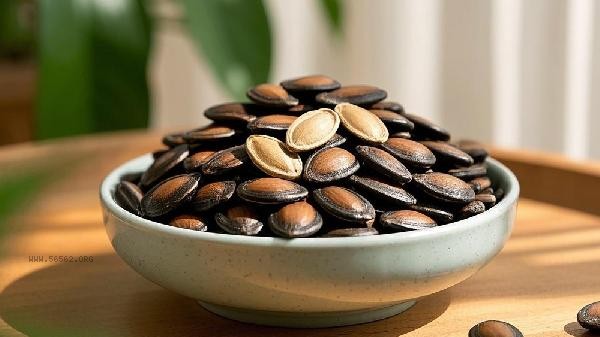
1. Sealed container
Place melon seeds and peanuts into a covered glass jar or food grade plastic box, ensuring that the container is completely dry. Sealing can effectively isolate air and moisture, avoiding oxidation and mold growth. Nut foods are prone to producing a crackling taste when exposed to air, and sealed storage can maintain a crispy texture for about 3 months.
2. Low temperature refrigeration
Unopened nuts can be placed in the refrigerator compartment as a whole, with the temperature controlled at around 4 ℃. Low temperature environment can inhibit the oxidation rate of oil and prolong the shelf life by 1-2 months. Opened items should be placed in a fresh-keeping bag to release air before refrigeration to prevent absorption of refrigerator odors.
3. Avoid light and dry
The storage location should be away from heat sources such as stoves and heaters, and avoid direct sunlight. Light and high temperatures can accelerate fat spoilage, so it is recommended to choose a cool and ventilated storage cabinet. Food desiccants can be placed in the container simultaneously to absorb residual moisture.
4. Packaging Processing
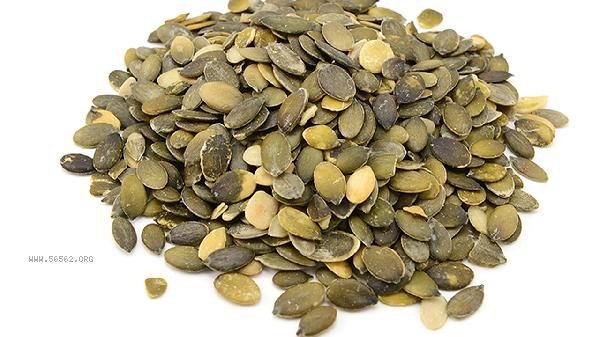
It is recommended to package nuts in large packages according to the weekly consumption amount to reduce the risk of moisture caused by repeated opening and closing. Seal immediately after each use, and avoid returning any leftovers to their original packaging. Storing in small quantities can better control daily intake.
5. Regular Inspection
Check nuts monthly for mold, insect infestation, or odor. Damp melon seeds and peanuts may soften and become bitter. The slight halal flavor can be improved by baking in a 150 ℃ oven for 5 minutes, but moldy nuts must be discarded. Nut based foods are rich in unsaturated fatty acids and vitamin E, but excessive consumption may cause overheating or indigestion. It is recommended to limit the daily intake to 20-30 grams and consume it with fruits for a healthier diet. If there are signs of deterioration such as darkening color or oil odor during storage, it should be immediately stopped from consumption. Special populations such as infants, young children, and those with allergies should carefully choose original flavor products and avoid stimulating additives in seasoned nuts.








Comments (0)
Leave a Comment
No comments yet
Be the first to share your thoughts!