
Bananas that are too ripe to eat can be refrigerated or processed. The main methods of banana preservation include freezing preservation, refrigeration preservation, hanging preservation, processing preservation, and ventilation preservation.
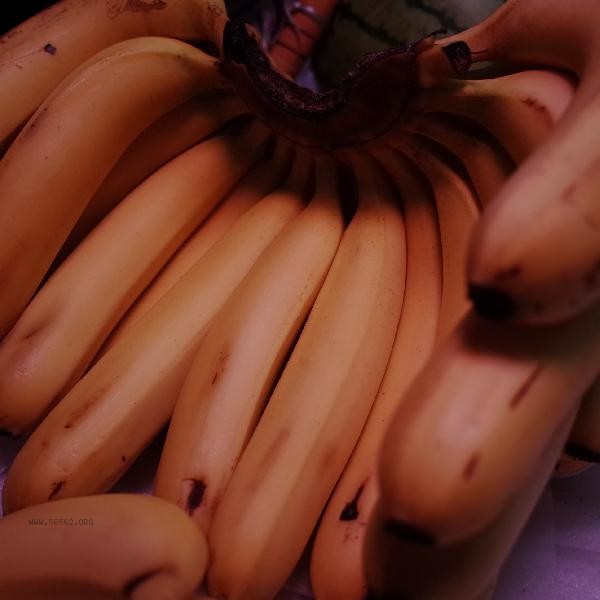
1. Cryopreservation
Peel and cut ripe bananas into chunks, then freeze them in a sealed bag. Frozen bananas can be used to make milkshakes, ice cream, or baked goods. Freezing can effectively delay the spoilage of bananas, and the storage time can reach up to two months. Bananas will turn black during the freezing process, but it does not affect their taste and nutritional value.
2. Refrigerate storage
Place the entire bunch of bananas in the refrigerator compartment and wrap the banana stems with plastic wrap. Refrigeration can slow down the ripening speed of bananas and extend their shelf life by 3-5 days. After refrigeration, banana peels will turn black, but the flesh remains intact. Bananas stored in refrigeration are more suitable for direct consumption and are not suitable for occasions where appearance needs to be maintained.
3. Hanging storage
Hang bananas in a cool and ventilated place to avoid contact with other fruits. Hanging can reduce the compression area of bananas and lower the probability of mechanical damage. This method is suitable for short-term storage and can extend the shelf life by 2-3 days. The ripening speed of bananas stored in suspension will slow down, but the effect is not as significant as that of refrigeration.
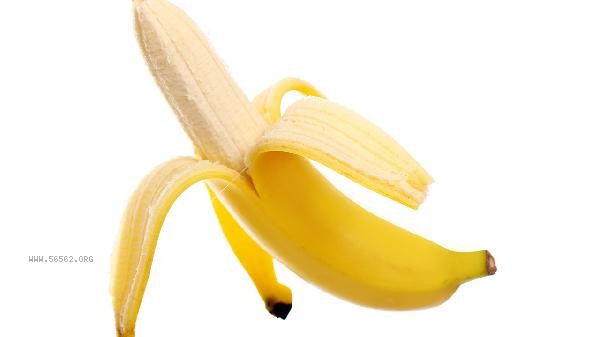
4. Processing and Preservation
Make ripe bananas into dried bananas, banana sauce, or banana bread. Processing can completely solve the storage problem, and finished products can be stored for a long time. Dried bananas can be stored for one month, while banana sauce can be stored for two weeks when refrigerated. During the processing, high temperatures can damage some vitamins, but minerals and dietary fiber are preserved.
5. Ventilation storage
Place bananas flat in a cool and ventilated fruit basket, avoiding direct sunlight. Maintain an ambient temperature of 12-15 degrees Celsius and a relative humidity of 85% -90%. This method is suitable for bananas that are not yet fully ripe and can delay the ripening process. Bananas stored in ventilation should be inspected daily and any individuals that begin to rot should be promptly removed. During the storage process of bananas, attention should be paid to observing changes in the skin. If there are large areas of black spots or fermentation odors, they should be dealt with immediately. Bananas of different maturity levels are suitable for different storage methods, and it is recommended to prioritize freezing or processing for fully ripe bananas. The nutritional value of preserved bananas may be lost to varying degrees, and it is recommended to consume them as soon as possible. When purchasing bananas in daily life, you can choose batches with different maturity levels, and eating them in batches can effectively reduce waste. When storing bananas, be careful to isolate them from other fruits to avoid ethylene accelerating ripening.









Comments (0)
Leave a Comment
No comments yet
Be the first to share your thoughts!