
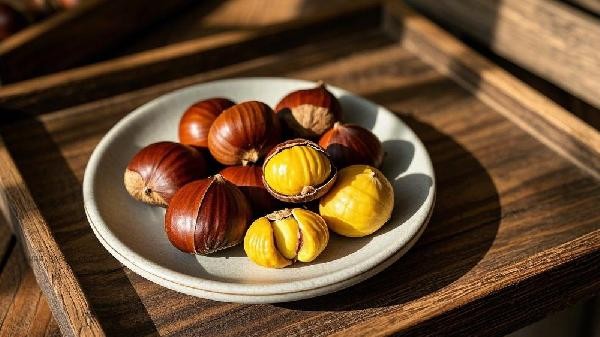
Chestnut peels can be easily removed using small tricks such as hot water soaking, incision baking, frozen peeling, microwave heating, and knife assisted methods.
1. Hot water soaking method
Boil fresh chestnuts in boiling water for 3-5 minutes, remove and immediately supercool. The principle of thermal expansion and contraction will cause the chestnut skin to separate from the flesh. At this time, gently squeeze the two ends of the chestnut with your thumb and index finger, and the outer shell and inner layer of the fluff film can fall off synchronously. Pay attention to controlling the water temperature to avoid burns. This method is suitable for batch processing and can maintain the integrity of the fruit pulp.
2. Cut baking method
Use a knife to make a cross cut on the curved surface of the chestnut, and place it in a 200 ℃ oven to bake for 10 minutes. High temperatures can cause the skin layer at the incision site to curl, so it can be completely removed by tearing along the incision while it is still hot. This method can stimulate the aroma of chestnuts, but it is important to note that the oven temperature should not be too high to avoid burning and affecting the taste.
3. Freeze peeling method
Seal the raw chestnuts and freeze them for 2 hours, then take them out and let them stand at room temperature for 5 minutes. Low temperature makes chestnut skin brittle, and tapping lightly with the back of a knife can break and peel off the outer shell. The freezing method can preserve the original flavor of chestnuts to the maximum extent, especially suitable for situations that require long-term storage. However, it should be noted that thawing for too long can cause the cortex to soften.
4. Microwave heating method
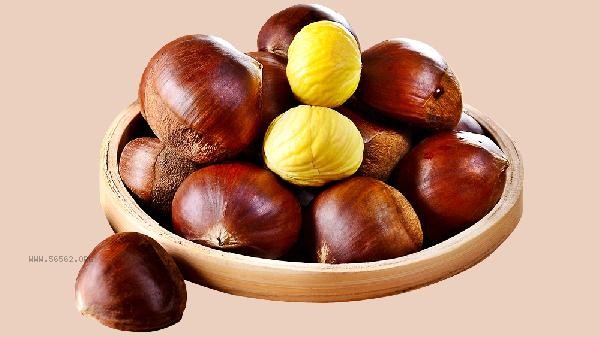
After scratching the surface of chestnuts, place them in a microwave oven on high heat for 30 seconds. Steam will create gaps between the skin and flesh. This method has the highest efficiency but requires strict time control. It is recommended to observe the state by heating it in batches for short periods of time. After microwave treatment, chestnuts can be consumed directly and are suitable for quickly making small amounts of snacks.
5. Knife Assist Method
Use a specialized chestnut peeler or fruit knife to remove the shell along the surface of the chestnut. The blade rotates at a 30 degree angle with the chestnut for safer cutting, and can be operated with anti cutting gloves. Traditional methods require high technical requirements, but can accurately control the thickness of peeling, making them suitable for cooking needs that require high integrity of the fruit pulp.
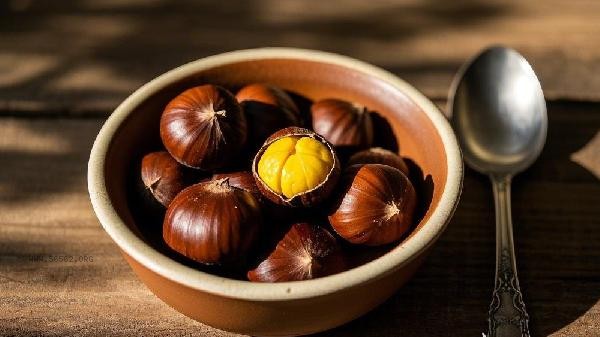
It is recommended to wear gloves when handling chestnuts to prevent scratches. If fresh chestnuts are not eaten immediately after peeling, they should be soaked in water to prevent oxidation. The thickness of the chestnut cortex varies greatly among different varieties, and hard varieties can be air dried for 1-2 days to evaporate water and make it easier to peel off. Peeled chestnuts can be refrigerated for 3 days or frozen for 1 month. Before cooking, it is recommended to soak them in light salt water for 10 minutes to remove residual fuzz. Chestnuts are rich in B vitamins and minerals, and moderate consumption can help replenish energy, but those with weak gastrointestinal function should pay attention to controlling their intake.








Comments (0)
Leave a Comment
No comments yet
Be the first to share your thoughts!